-
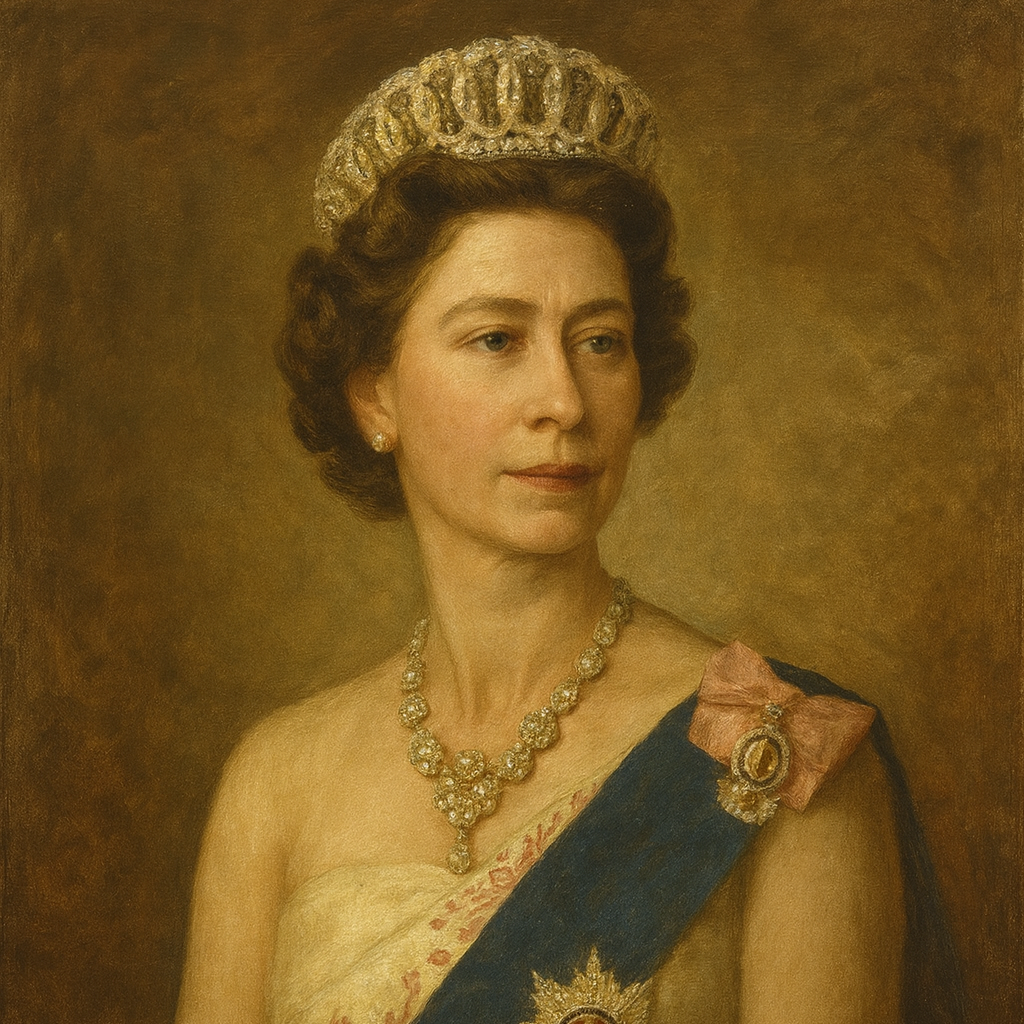
Queen Elizabeth II
(Elizabeth Alexandra Mary; 21 April 1926 – 8 September 2022)
Queen of the United Kingdom and other Commonwealth realms from 6 February 1952 until her death in September 2022 -
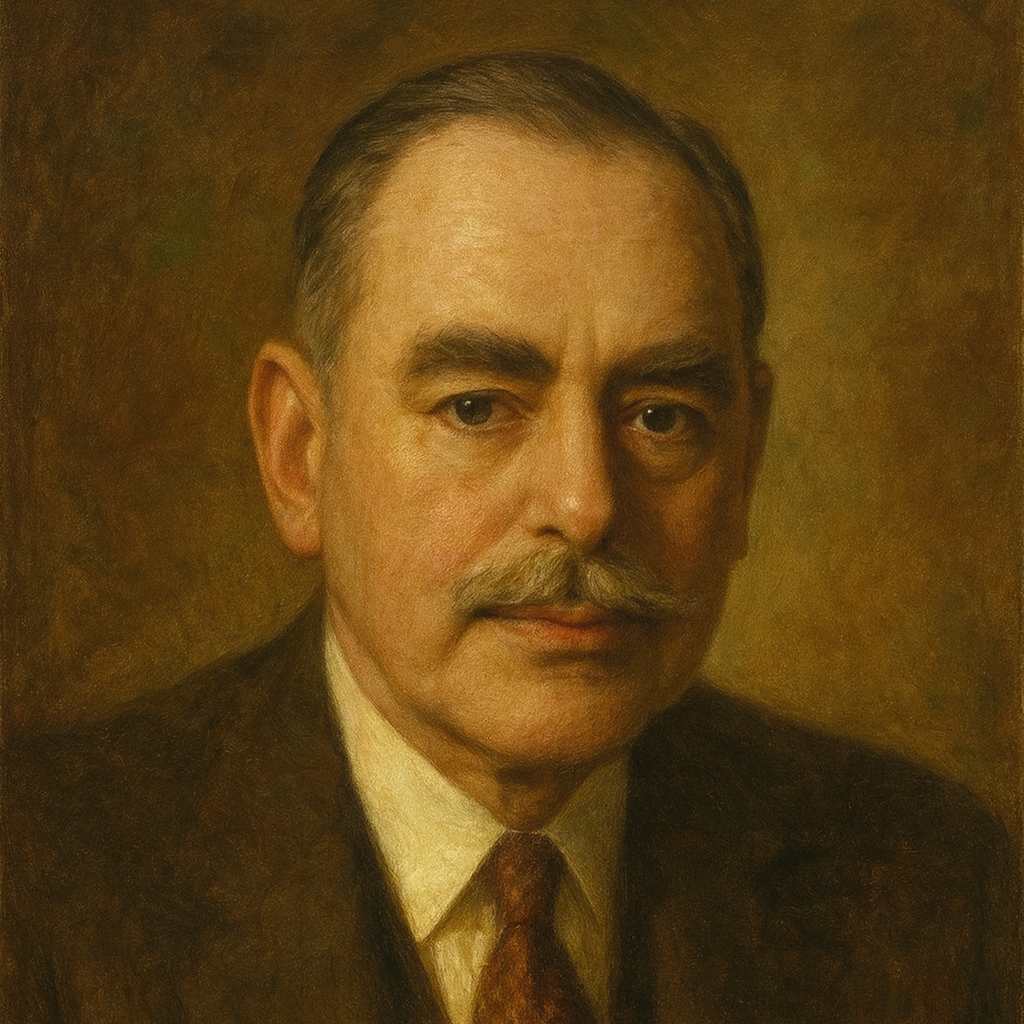
Secretary of State Dean Acheson
(April 11, 1893 – October 12, 1971)
An American politician and lawyer. As the 51st U.S. Secretary of State, he set the foreign policy of the Harry S. Truman administration from 1949 to 1953. -
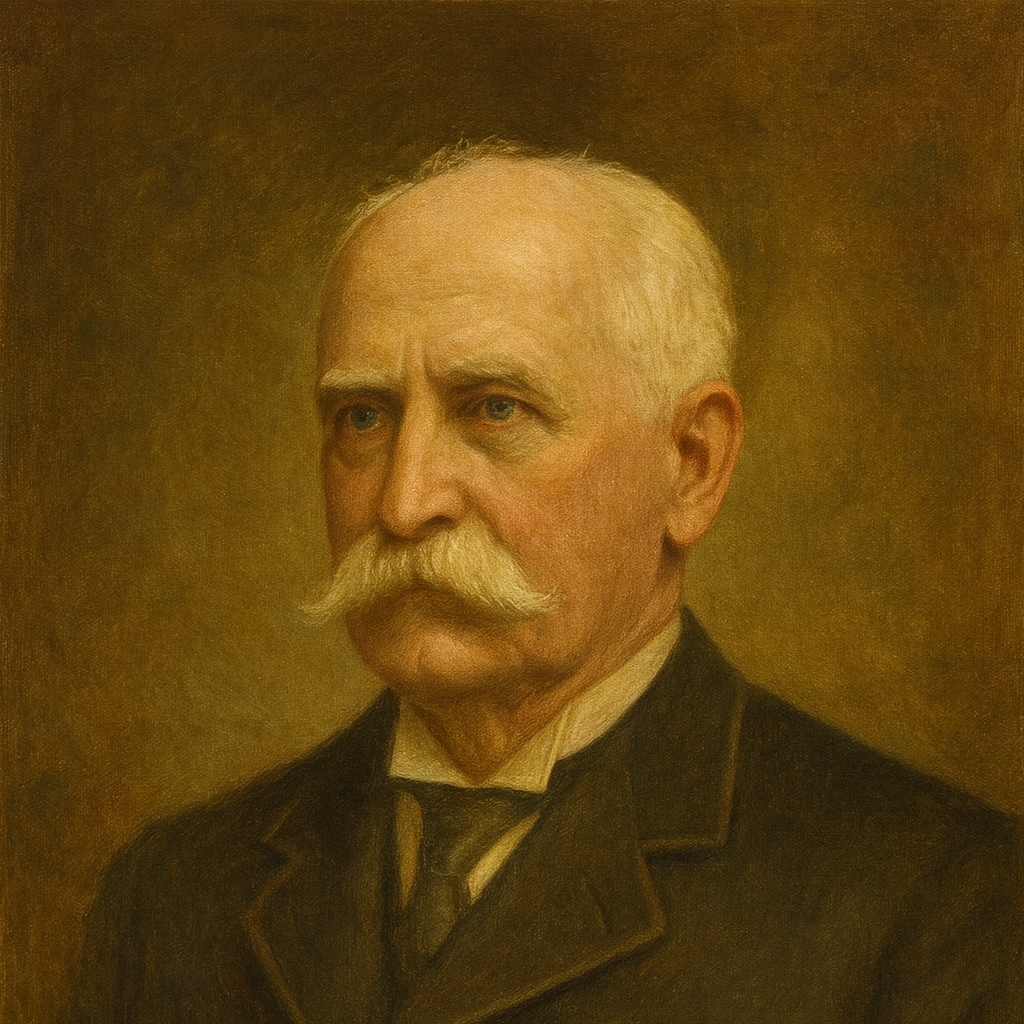
Senator Nelson W. Aldrich
(November 6, 1841 – April 16, 1915)
A prominent American politician and a leader of the Republican Party in the United States Senate, where he represented Rhode Island from 1881 to 1911 -
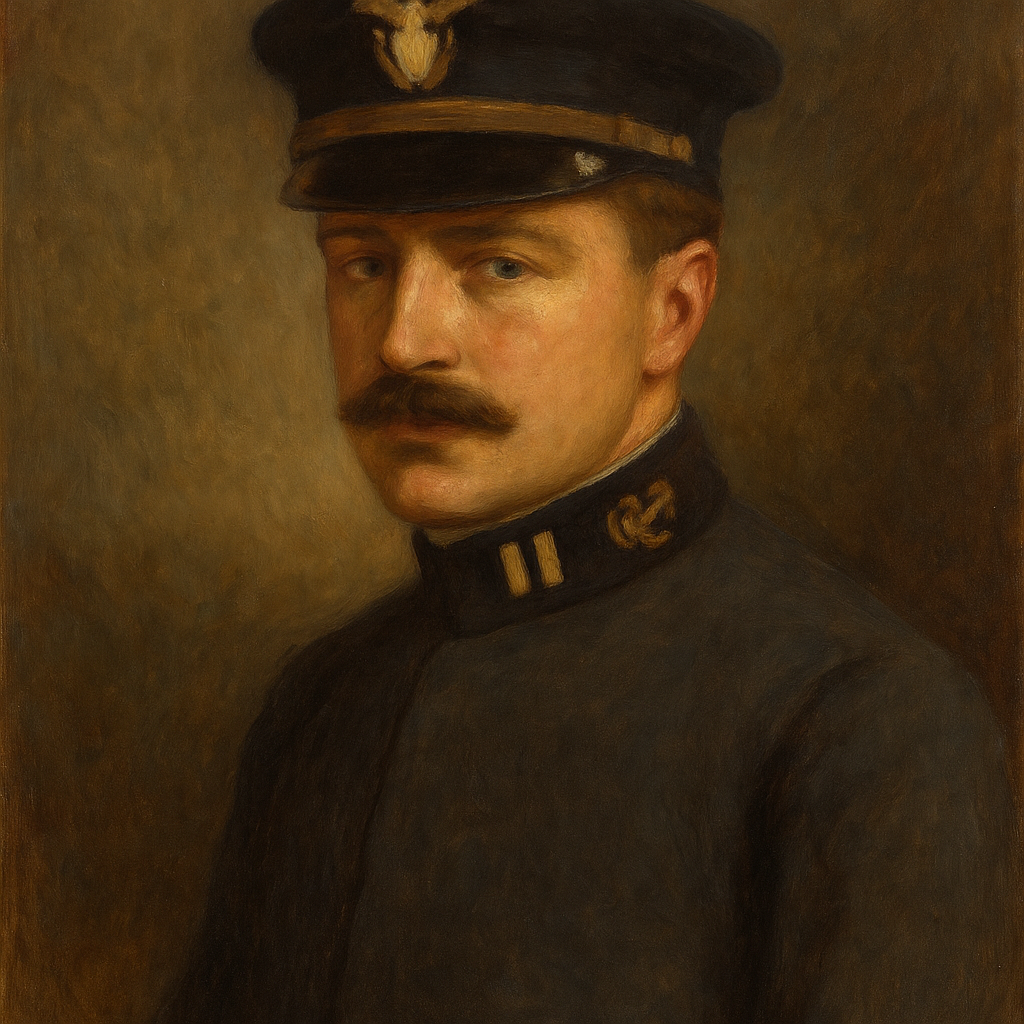
Ambassador Winthrop W. Aldrich
(November 2, 1885 – February 25, 1974)
was an American banker and financier, scion of a prominent and powerful political family, and U.S. Ambassador to the United Kingdom. -
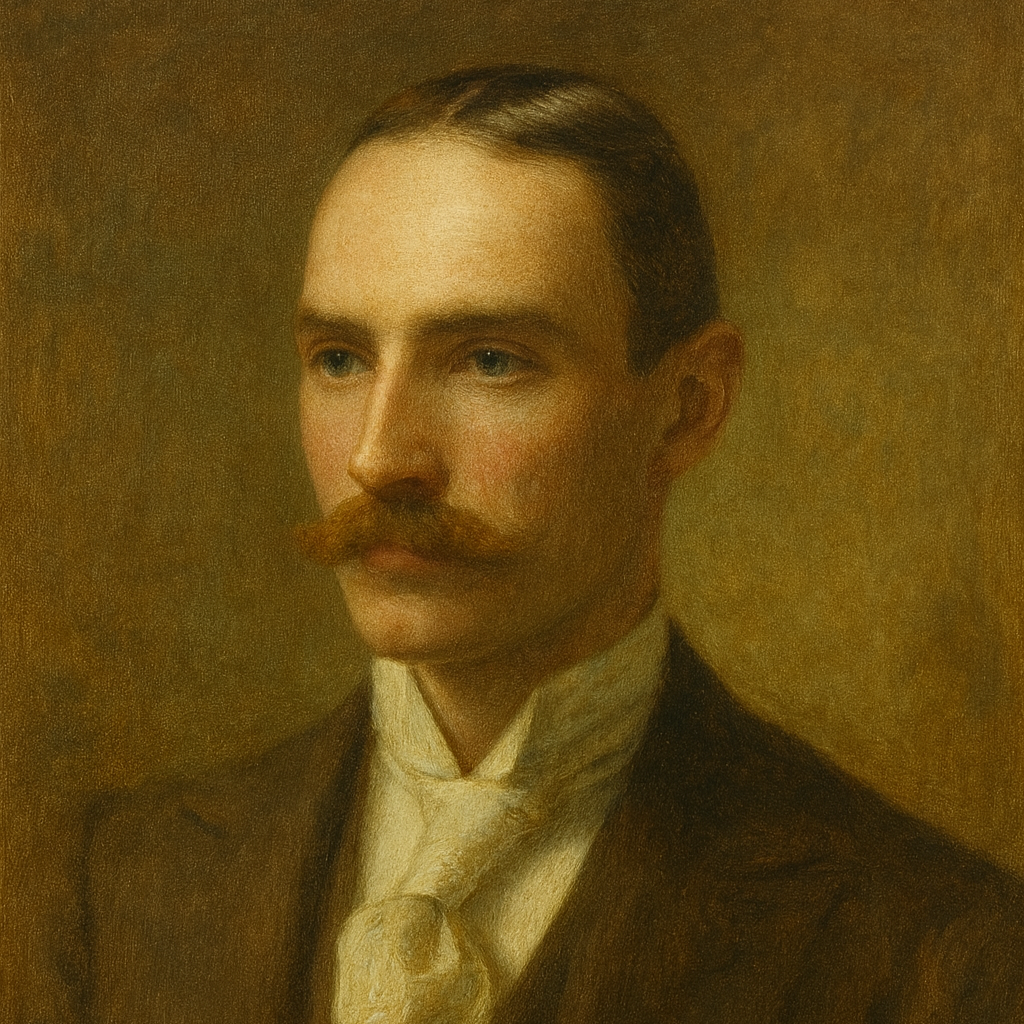
Businessman John Jacob Astor IV
(July 13, 1864 – April 15, 1912)
An American business magnate, real estate developer, investor, writer, and lieutenant colonel in the Spanish–American War. -
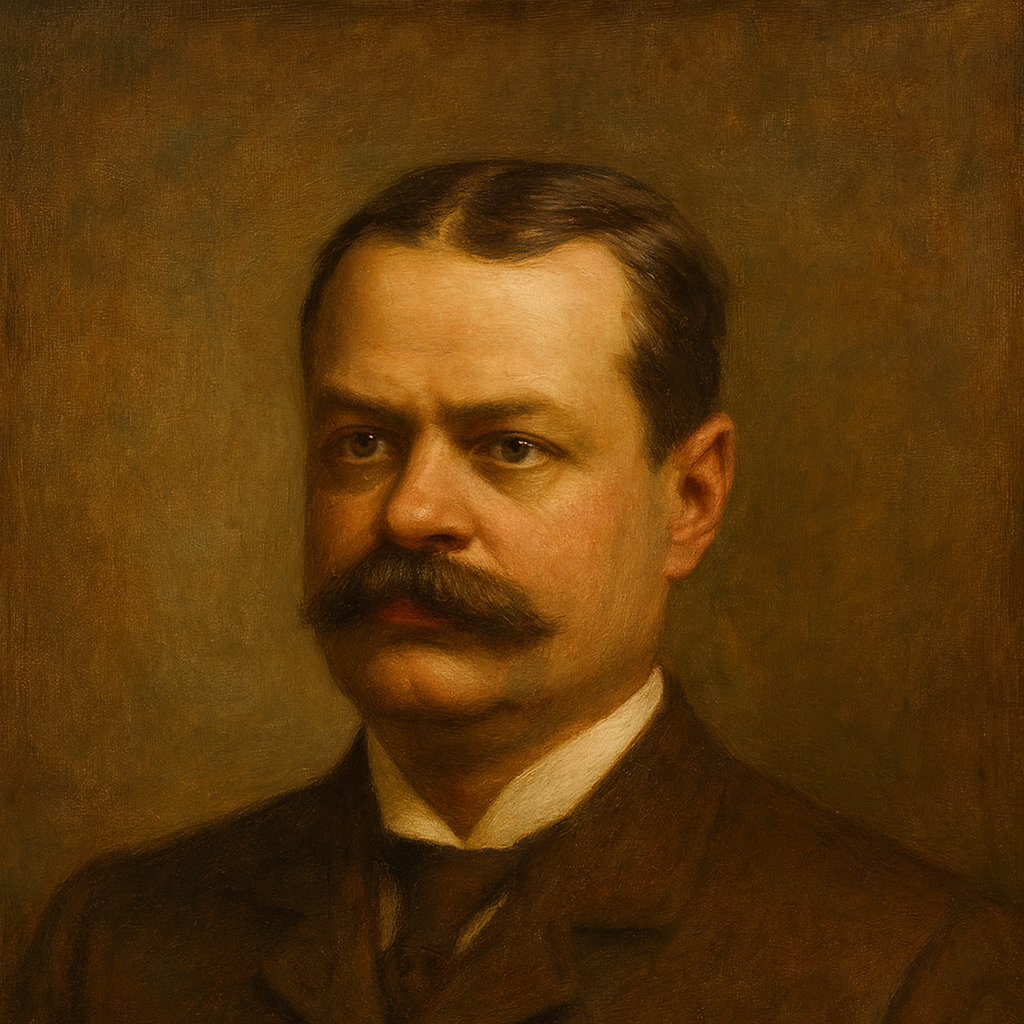
Businessman William Waldorf Astor
(31 March 1848 – 18 October 1919)
An American-English attorney, politician, hotelier, publisher and philanthropist. Astor was a scion of the very wealthy Astor family of New York City. He moved to England in 1891, became a British subject in 1899. -
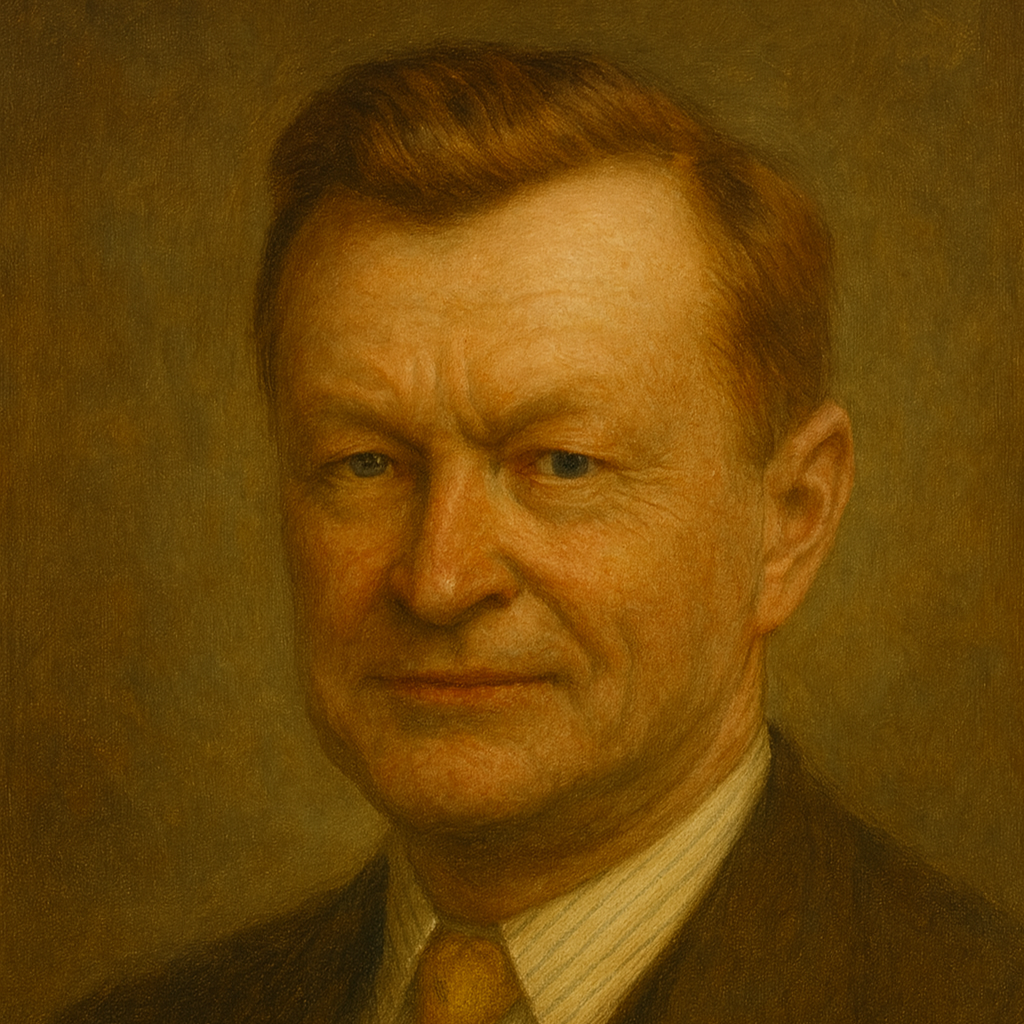
Secretary of State Zbigniew Brzezinski
(March 28, 1928 – May 26, 2017)
A Polish-American diplomat and political scientist. He served as a counselor to Lyndon B. Johnson from 1966 to 1968 and was Jimmy Carter's National Security Advisor from 1977 to 1981. -
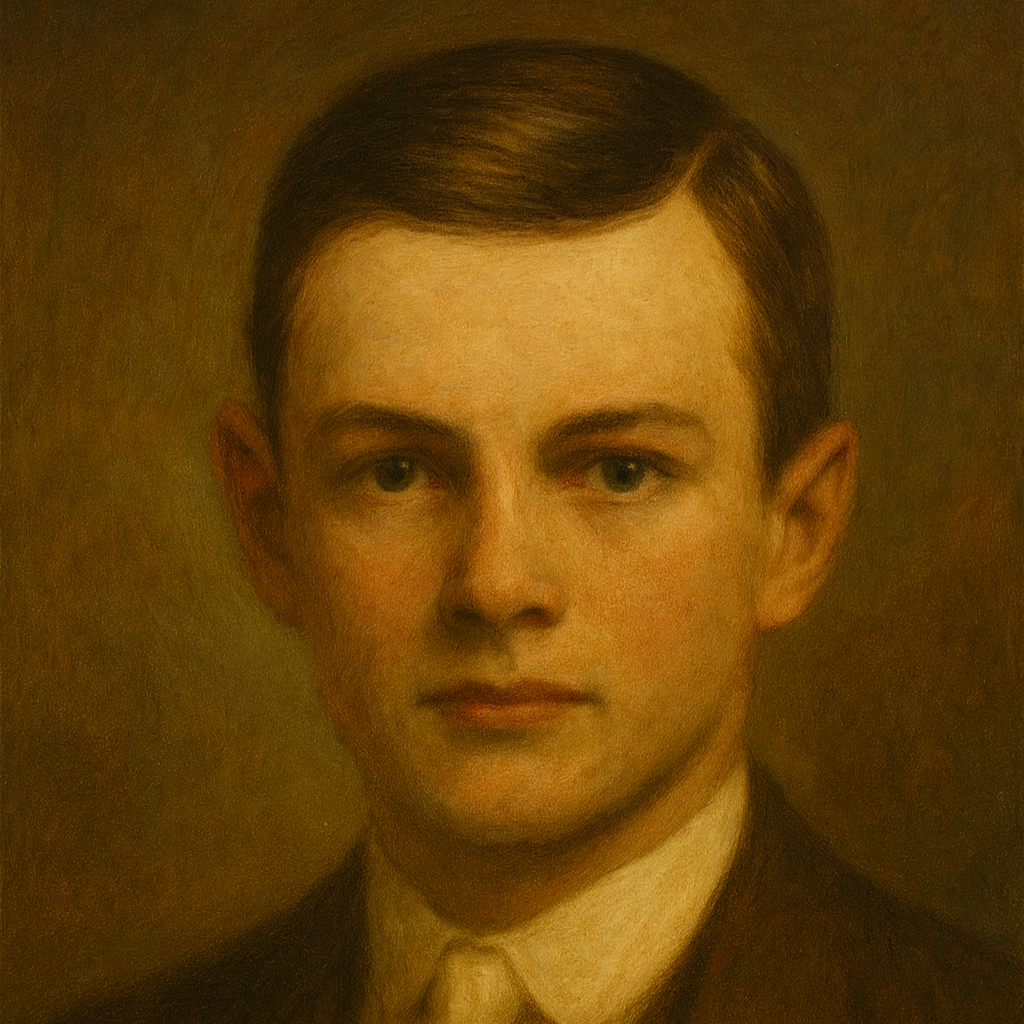
Philanthropist John Nicholas Brown II
(February 21, 1900 – October 10, 1979)
was the United States Assistant Secretary of the Navy (AIR) from 1946 to 1949. He was a member of the Brown family that had been active in American life since before the American Revolution and who were the major early benefactors of Brown University. -
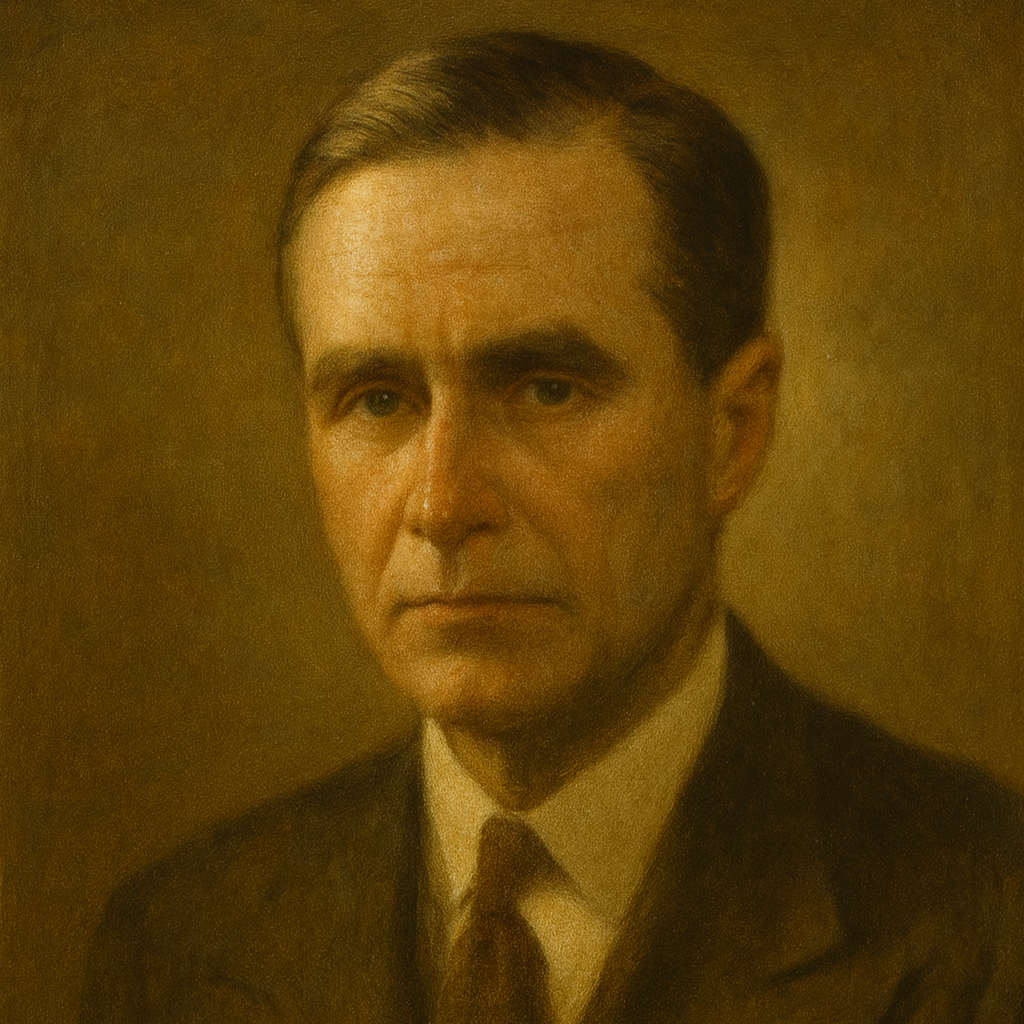
Senator Prescott Bush
(May 15, 1895 – October 8, 1972)
An American banker and Republican Party politician. After working as a Wall Street executive investment banker, he represented Connecticut in the United States Senate from 1952 to 1963. -
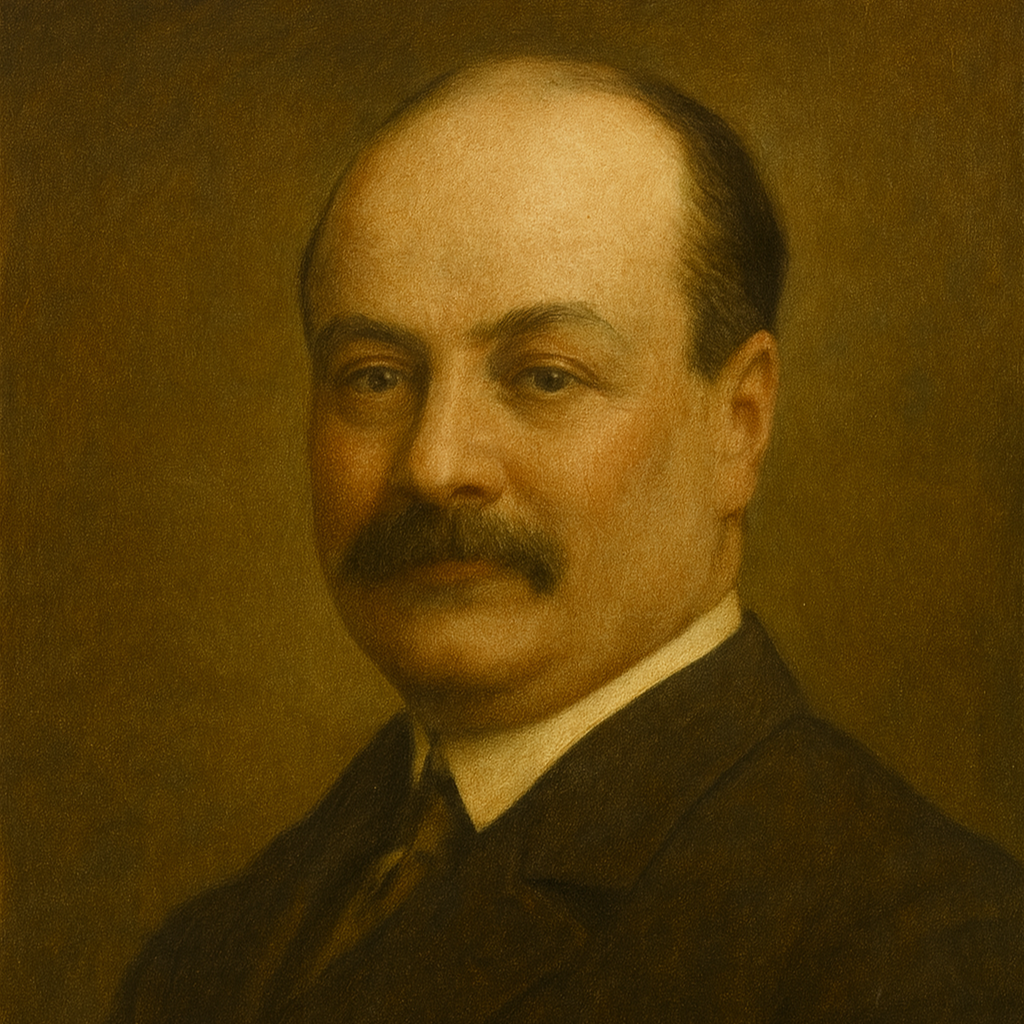
Columbia University President Nicholas Murray Butler
(April 2, 1862 – December 7, 1947)
An American philosopher, diplomat, and educator. Butler was president of Columbia University, president of the Carnegie Endowment for International Peace and a recipient of the Nobel Peace Prize. -
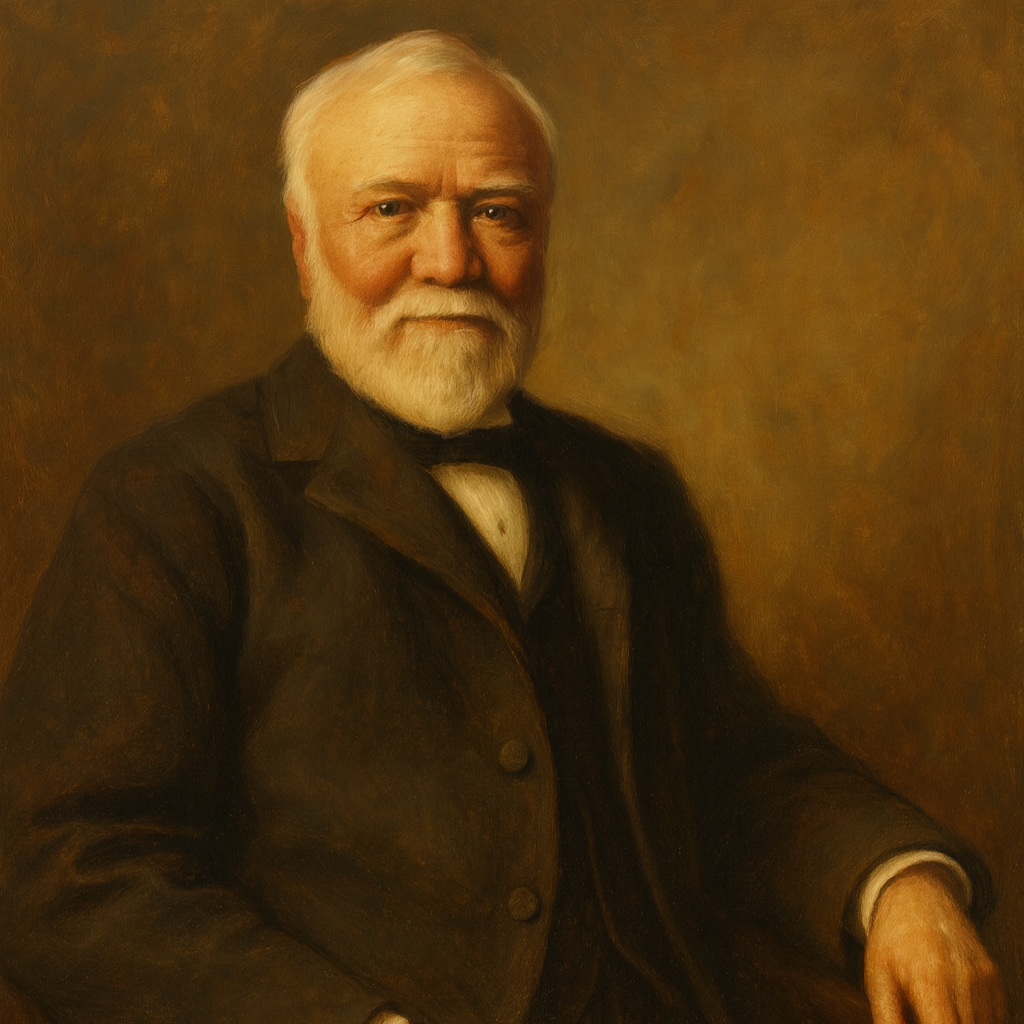
Philanthropist Andrew Carnegie
(November 25, 1835 – August 11, 1919)
A Scottish-American industrialist and philanthropist. Carnegie led the expansion of the American steel industry in the late-19th century and became one of the richest Americans in history. -
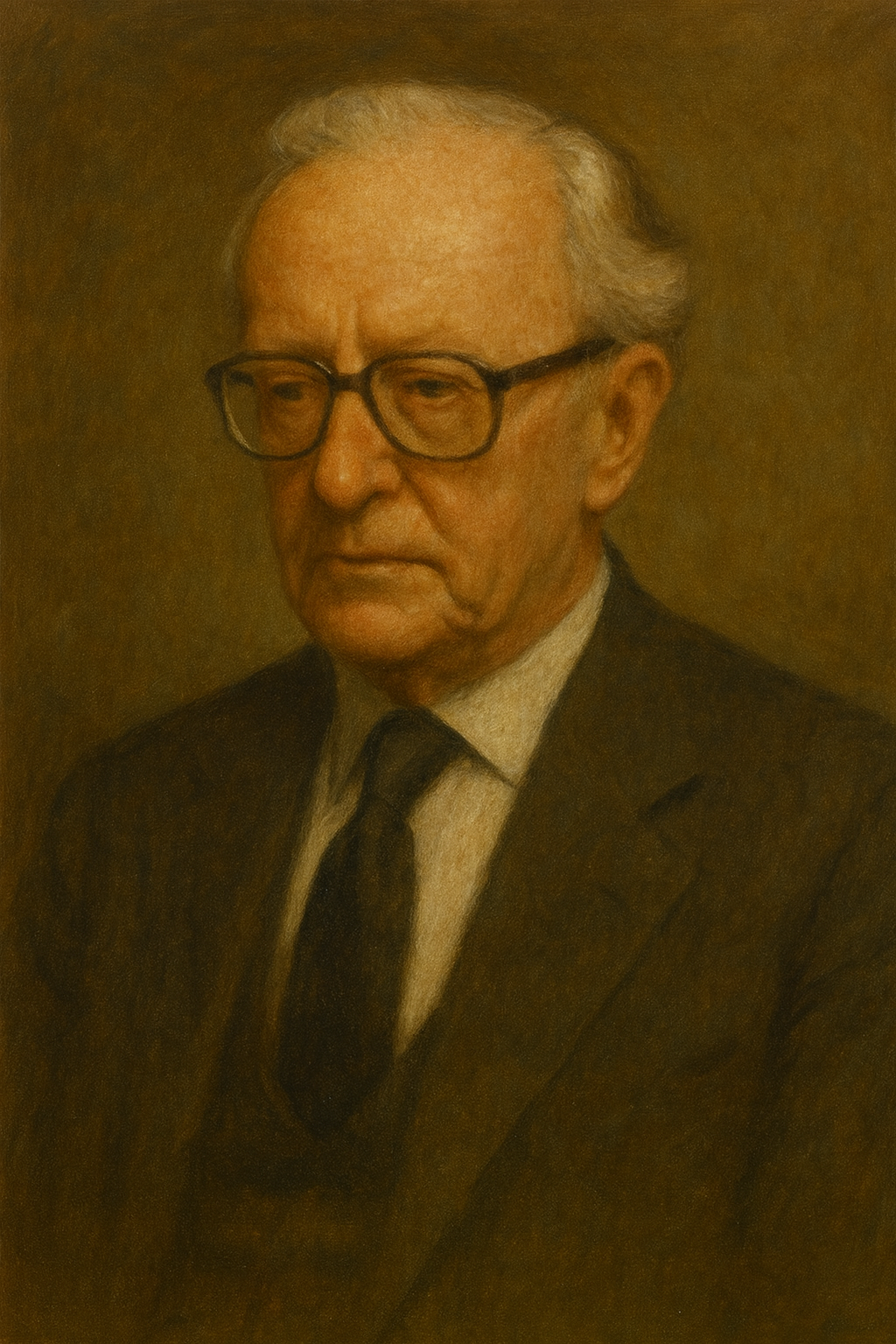
NATO Secretary General Lord Carrington
(6 June 1919 – 9 July 2018)
A British Conservative Party politician and hereditary peer who served as Defence Secretary from 1970 to 1974, Foreign Secretary from 1979 to 1982, chairman of the General Electric Company from 1983 to 1984, and Secretary General of NATO from 1984 to 1988. -
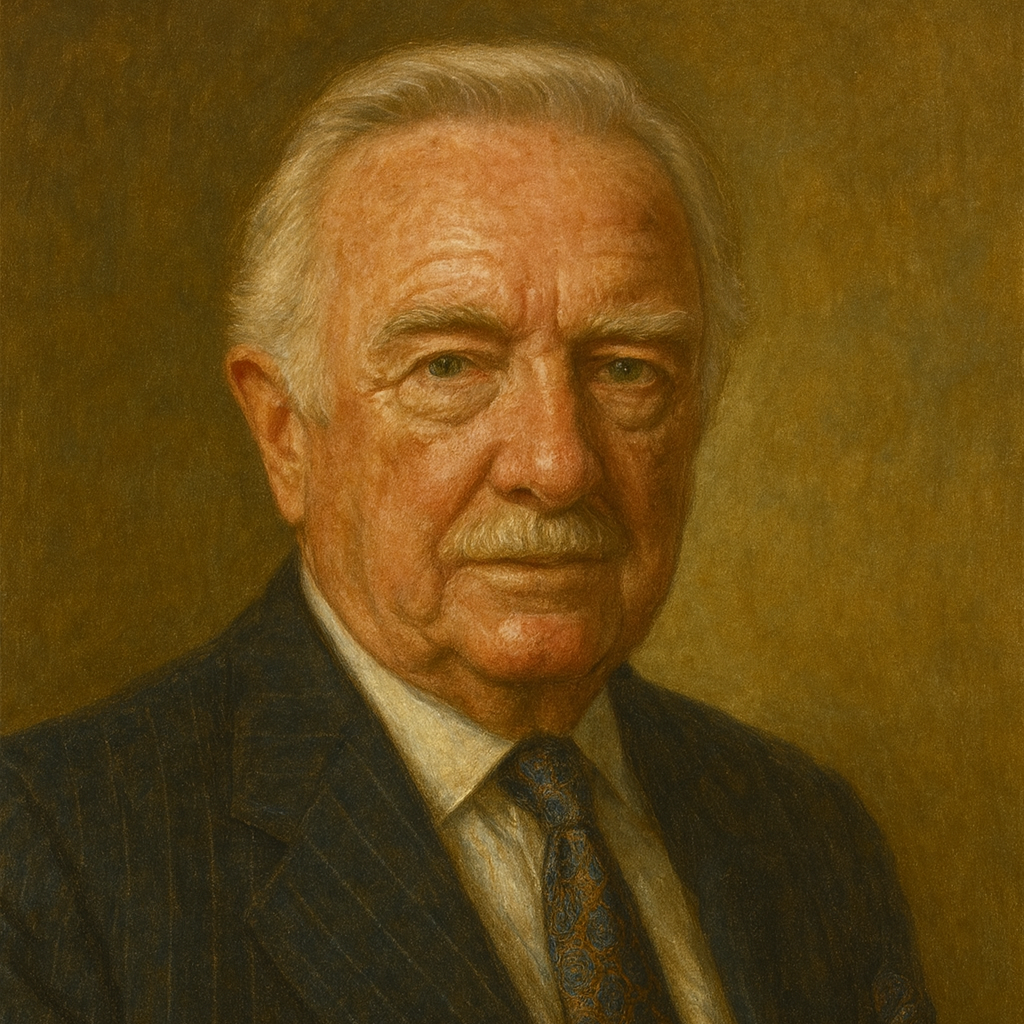
Journalist Walter Cronkite
(November 4, 1916 – July 17, 2009)
An American broadcast journalist who served as anchorman for the CBS Evening News from 1962 to 1981. During the 1960s and 1970s, he was often cited as "the most trusted man in America" after being so named in an opinion poll. -
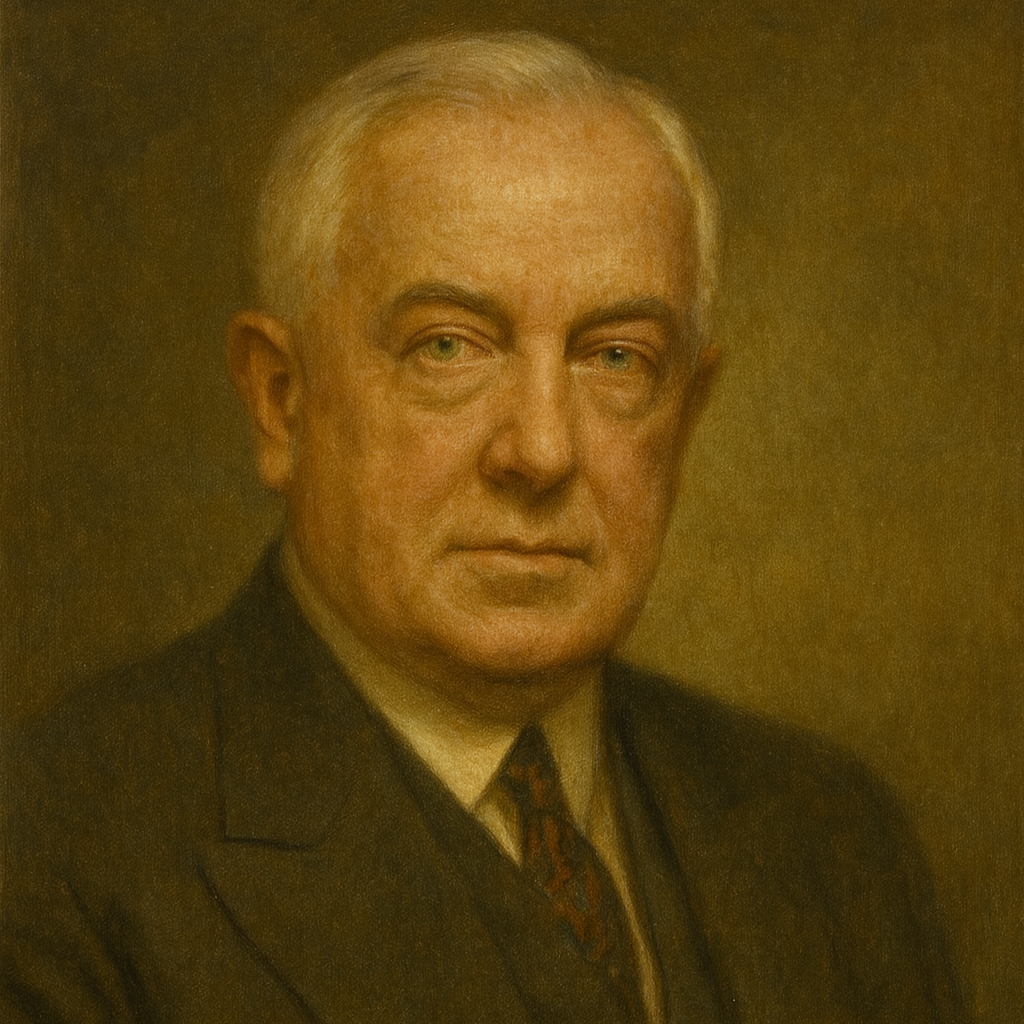
Ambassador John W. Davis
(April 13, 1873 – March 24, 1955)
An American politician, diplomat and lawyer. He served under President Woodrow Wilson as the Solicitor General of the United States and the United States Ambassador to the United Kingdom. He was the Democratic nominee for president in 1924, losing to Republican incumbent Calvin Coolidge. -
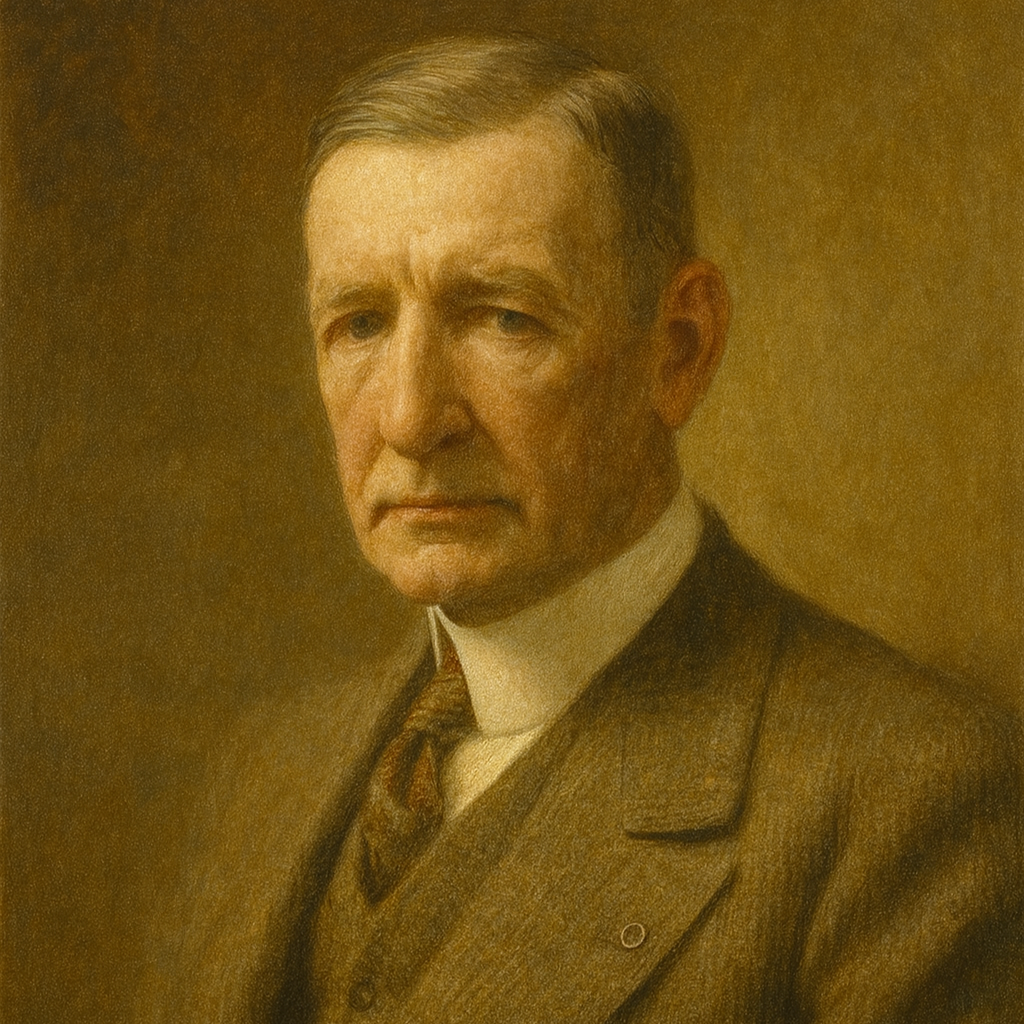
Vice President Charles G. Dawes
(August 27, 1865 – April 23, 1951)
The 30th vice president of the United States from 1925 to 1929 under President Calvin Coolidge. He was a co-recipient of the Nobel Peace Prize in 1925 for his work on the Dawes Plan for World War I reparations, and a member of the Republican Party. -
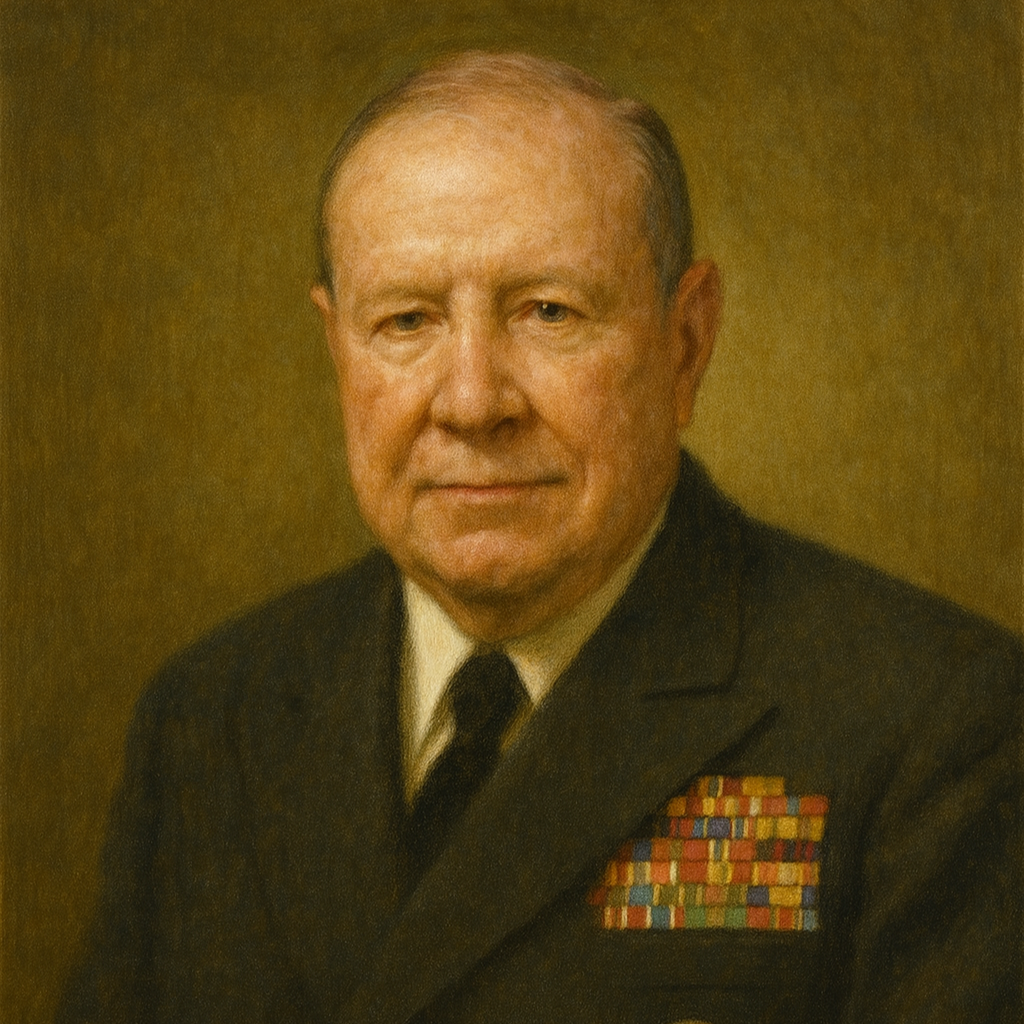
Admiral William J. Crowe
(January 2, 1925 – October 18, 2007)
A United States Navy admiral and diplomat who served as the 11th chairman of the Joint Chiefs of Staff under presidents Ronald Reagan and George H. W. Bush, and as the ambassador to the United Kingdom and Chair of the Intelligence Oversight Board under President Bill Clinton. -
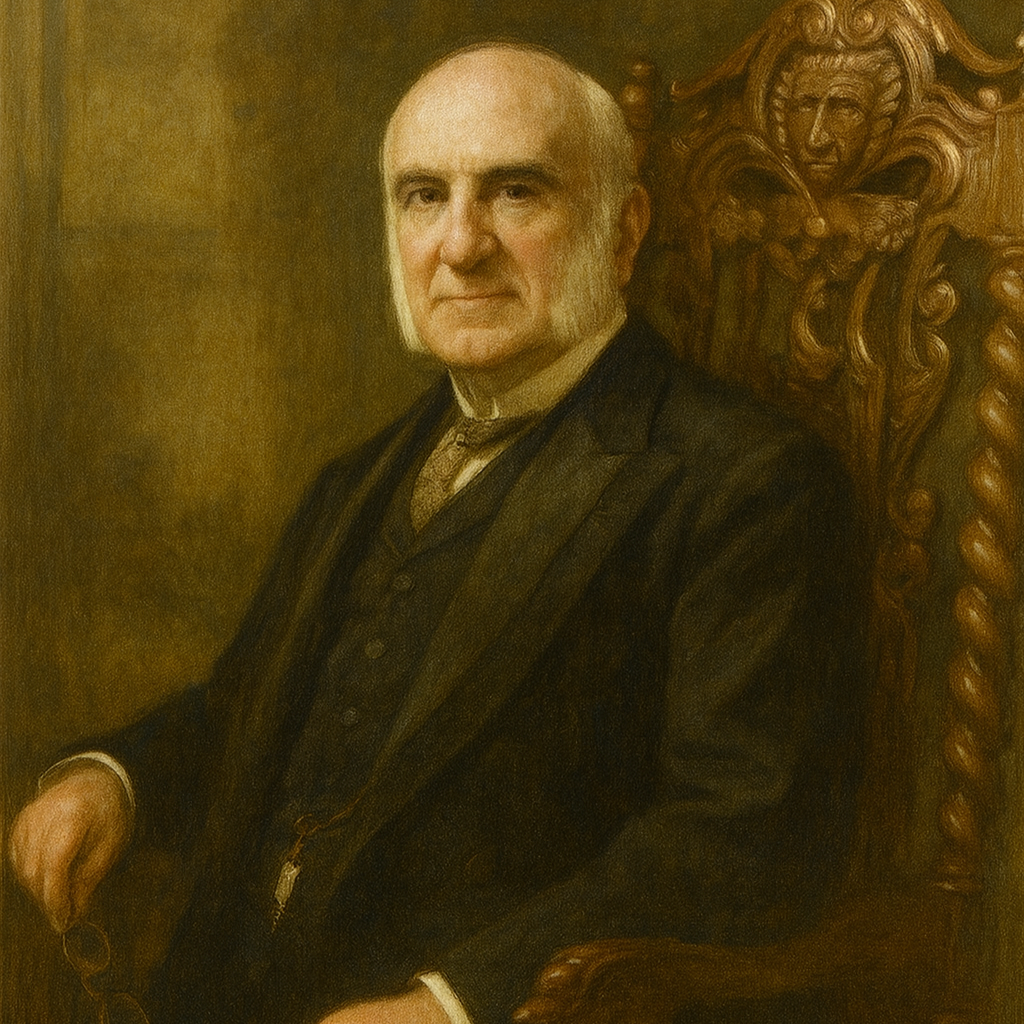
Senator Chauncey Depew
(April 23, 1834 – April 5, 1928)
An American attorney, businessman, and Republican politician. He is best remembered for his two terms as United States Senator from New York and for his work for Cornelius Vanderbilt, as an attorney and as president of the New York Central Railroad System. -
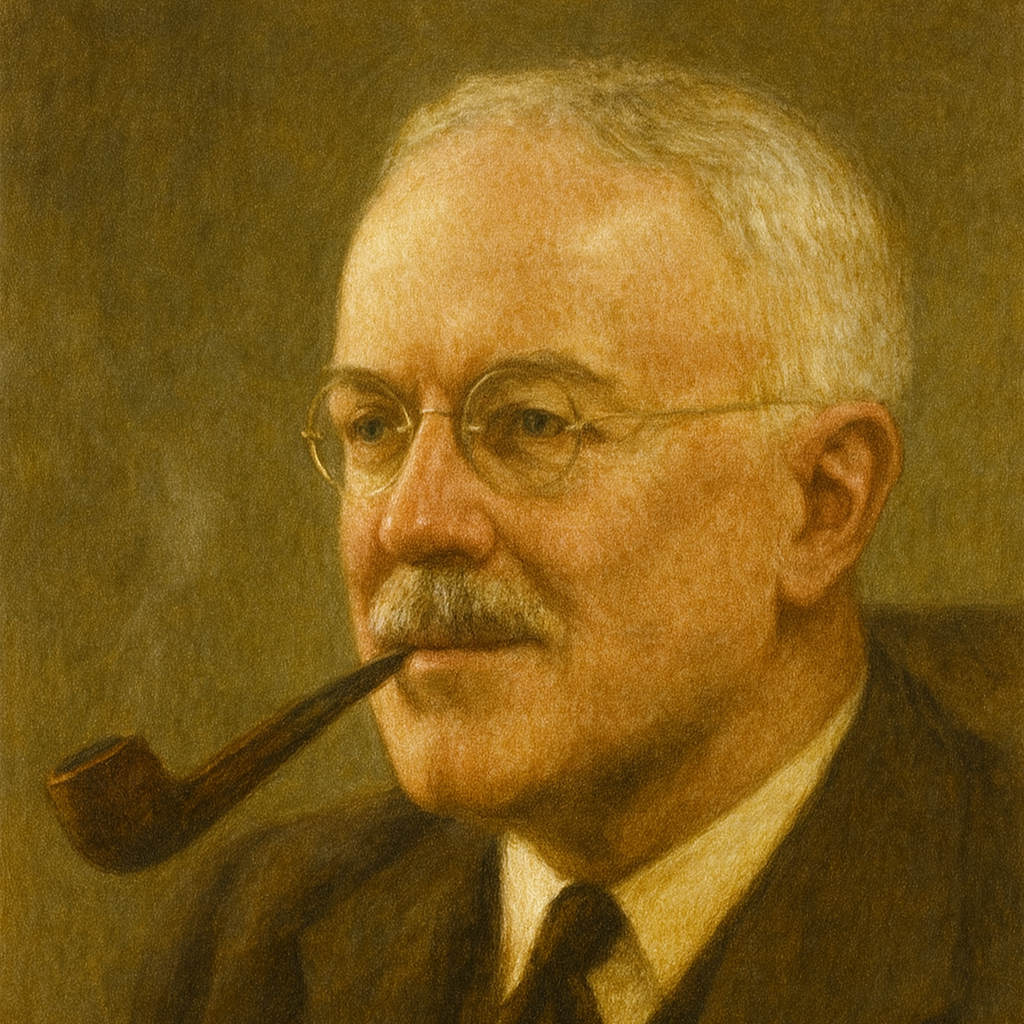
CIA Director Allen W. Dulles
(April 7, 1893 – January 29, 1969)
An American lawyer who was the first civilian director of central intelligence (DCI), and its longest serving director. -
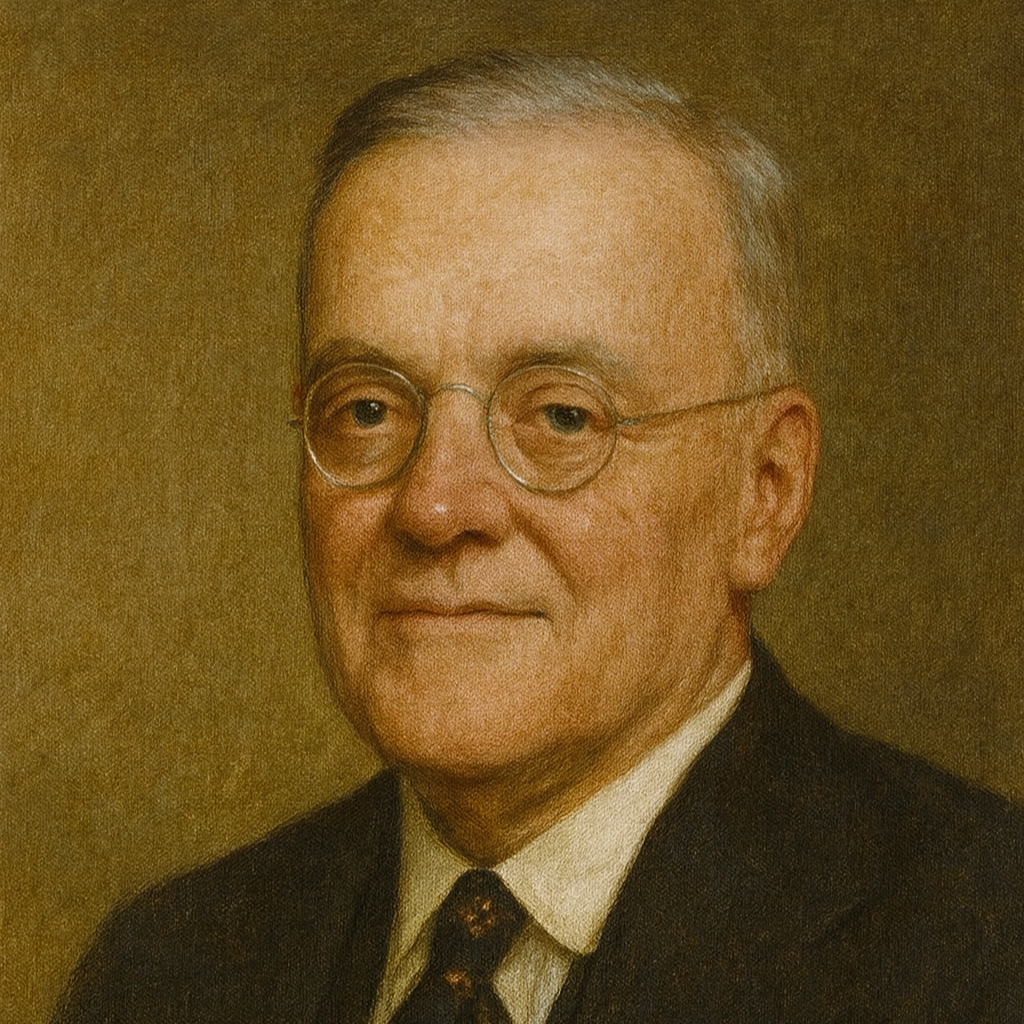
Secretary of State John Foster Dulles
(February 25, 1888 – May 24, 1959)
An American politician, lawyer, and diplomat who served as United States secretary of state under President Dwight D. Eisenhower from 1953 until his resignation in 1959. -
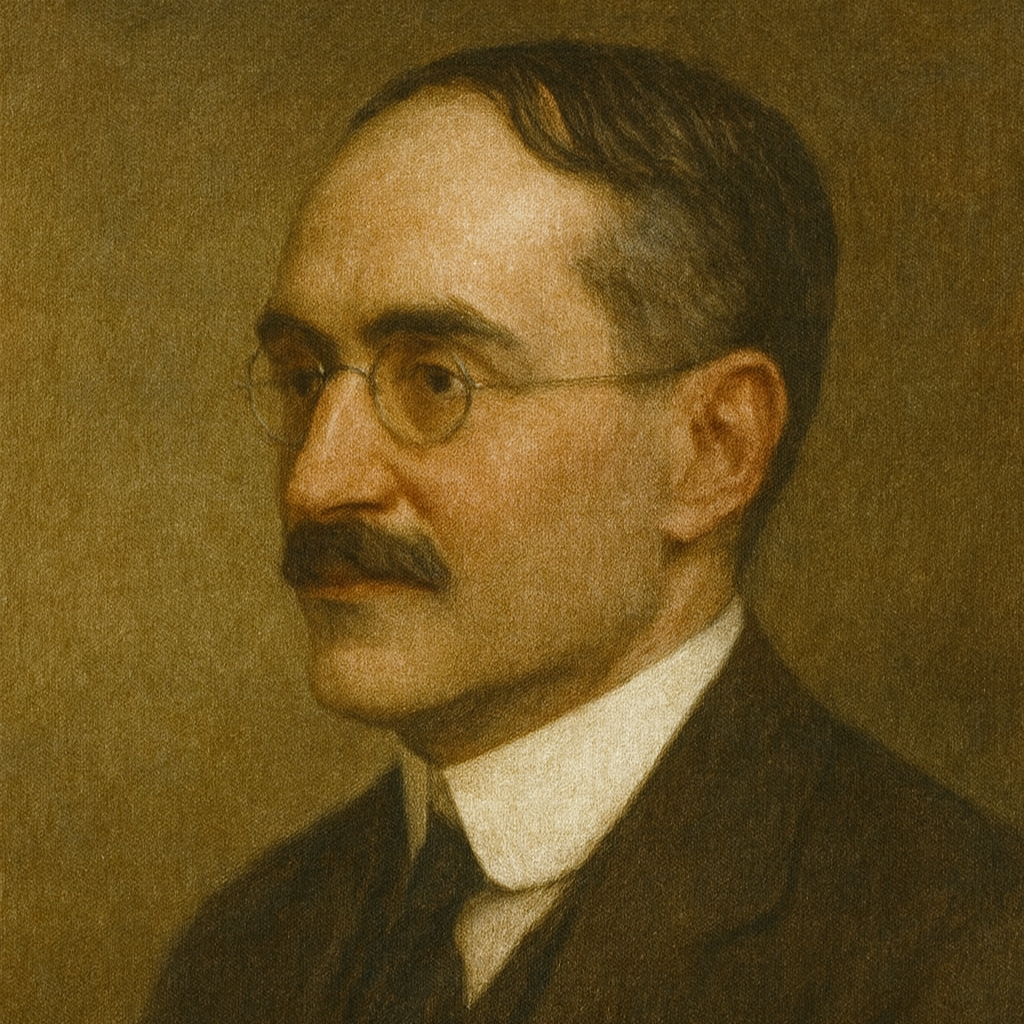
Ambassador James W. Gerard
(August 25, 1867 – September 6, 1951) was an American lawyer, diplomat, and justice of the New York Supreme Court.
-
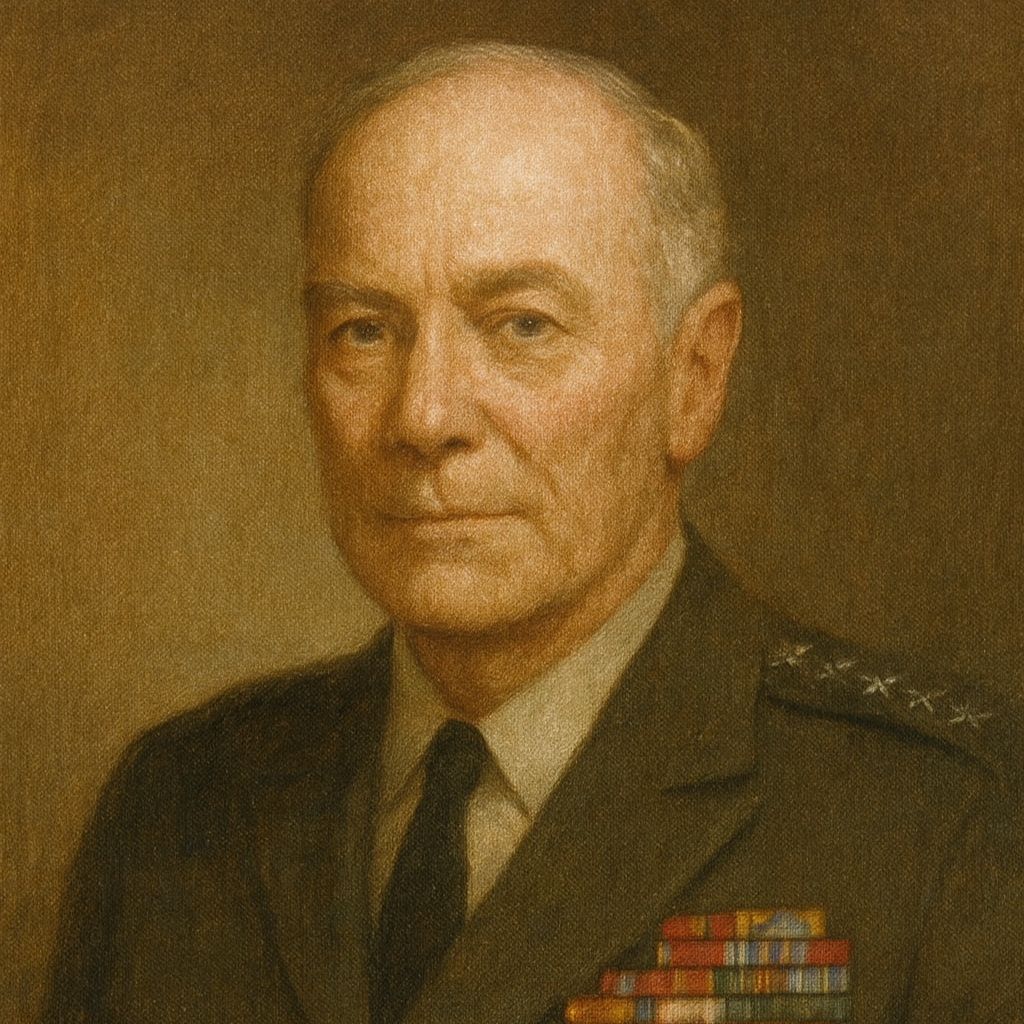
General Alexander Haig
(December 1924 – 20 February 2010)
was an American politician who served as United States Secretary of State under President Ronald Reagan and White House chief of staff under Presidents Richard Nixon and Gerald Ford. -

Ambassador to the United States Edward Wood, 1st Earl of Halifax
(16 April 1881 – 23 December 1959)
Known as the 1st Baron Irwin from 1925 until 1934 and the 3rd Viscount Halifax from 1934 until 1944, was a British Conservative politician of the 1930s. He held several senior ministerial posts during this time, most notably those of Viceroy of India from 1926 to 1931 and of Foreign Secretary between 1938 and 1940. -
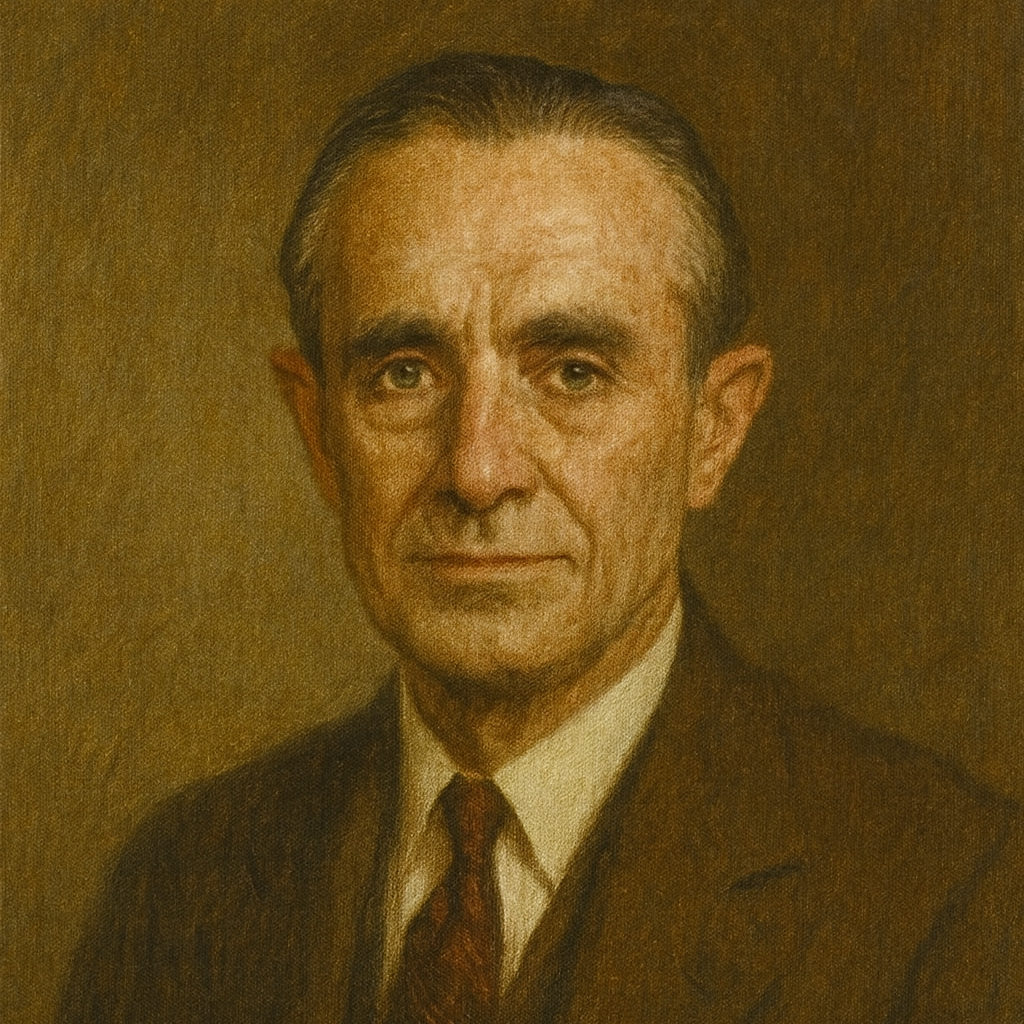
Ambassador Averell Harriman
(November 15, 1891 – July 26, 1986)
An American politician, businessman, and diplomat. He was a founder of Harriman & Co. which merged with the older Brown Brothers to form the Brown Brothers Harriman & Co. investment bank, served as Secretary of Commerce under President Harry S. Truman, and was the 48th governor of New York. He sought the Democratic Party nomination for president in 1952 and 1956 but was unsuccessful. Throughout his career, he was a key foreign policy advisor to Democratic presidents. -
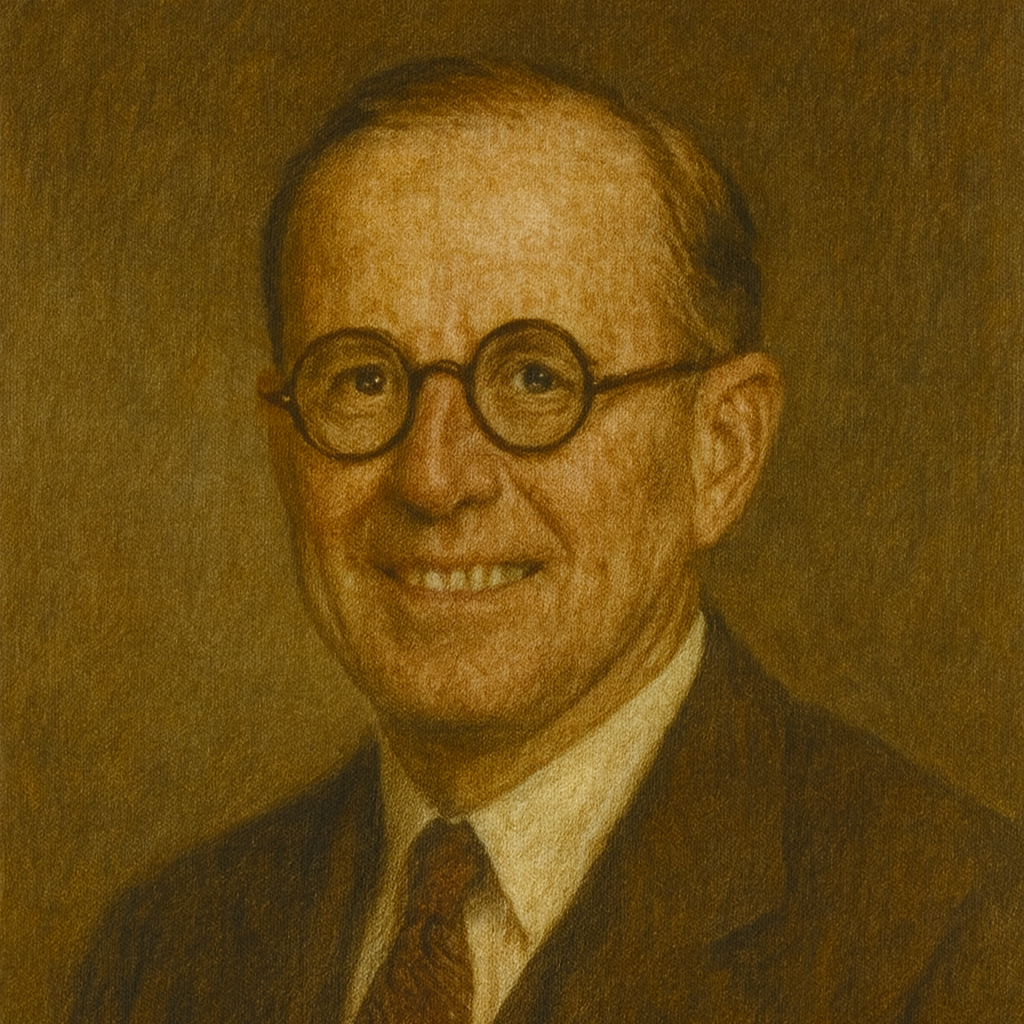
Ambassador Joseph P. Kennedy
(September 6, 1888 – November 18, 1969)
An American businessman, investor, philanthropist, and politician. He is known for his own political prominence as well as that of his children and was the ambitious patriarch of the Kennedy family, which included Senator and President John F. Kennedy, Attorney General and Senator Robert F. Kennedy, and longtime Senator Ted Kennedy. -
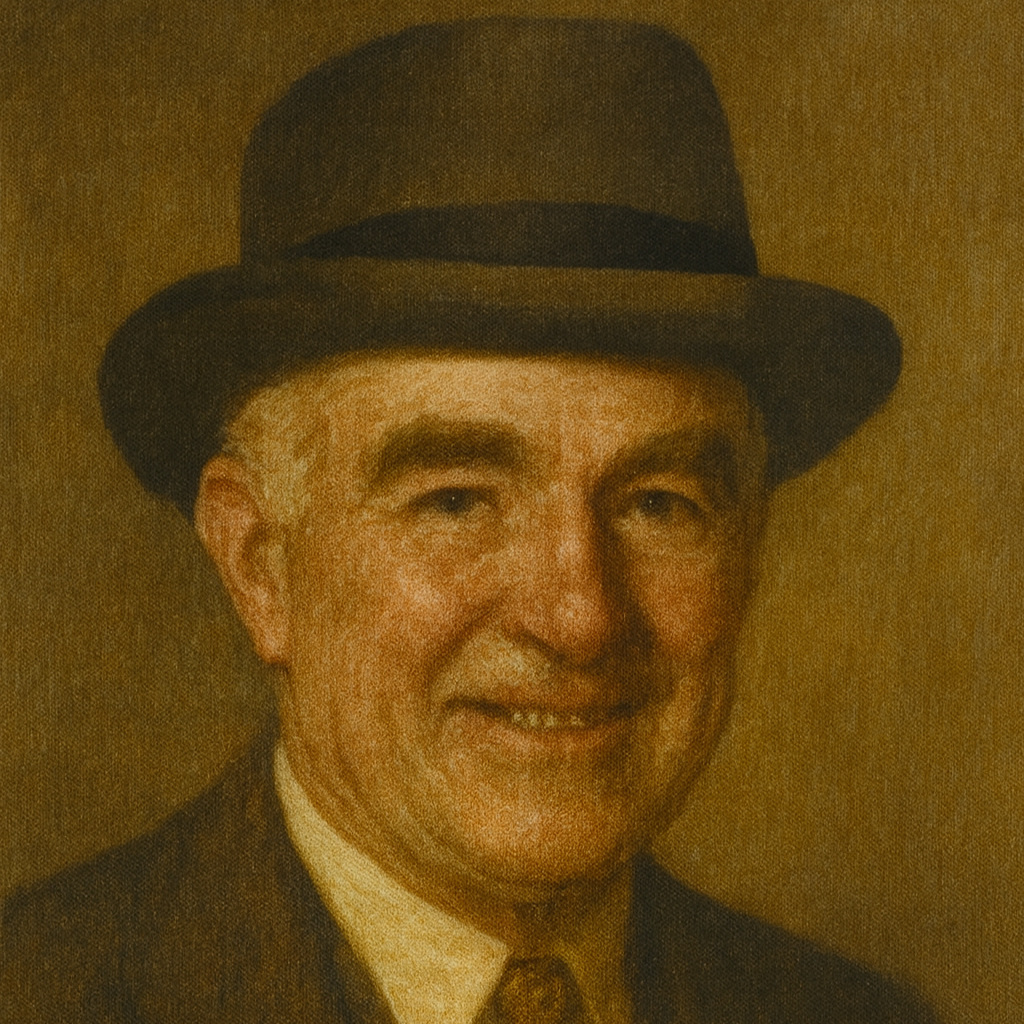
Ambassador Henry R. Luce
(April 3, 1898 – February 28, 1967)
An American magazine magnate who founded Time, Life, Fortune, and Sports Illustrated magazines. He has been called "the most influential private citizen in America of his day". -
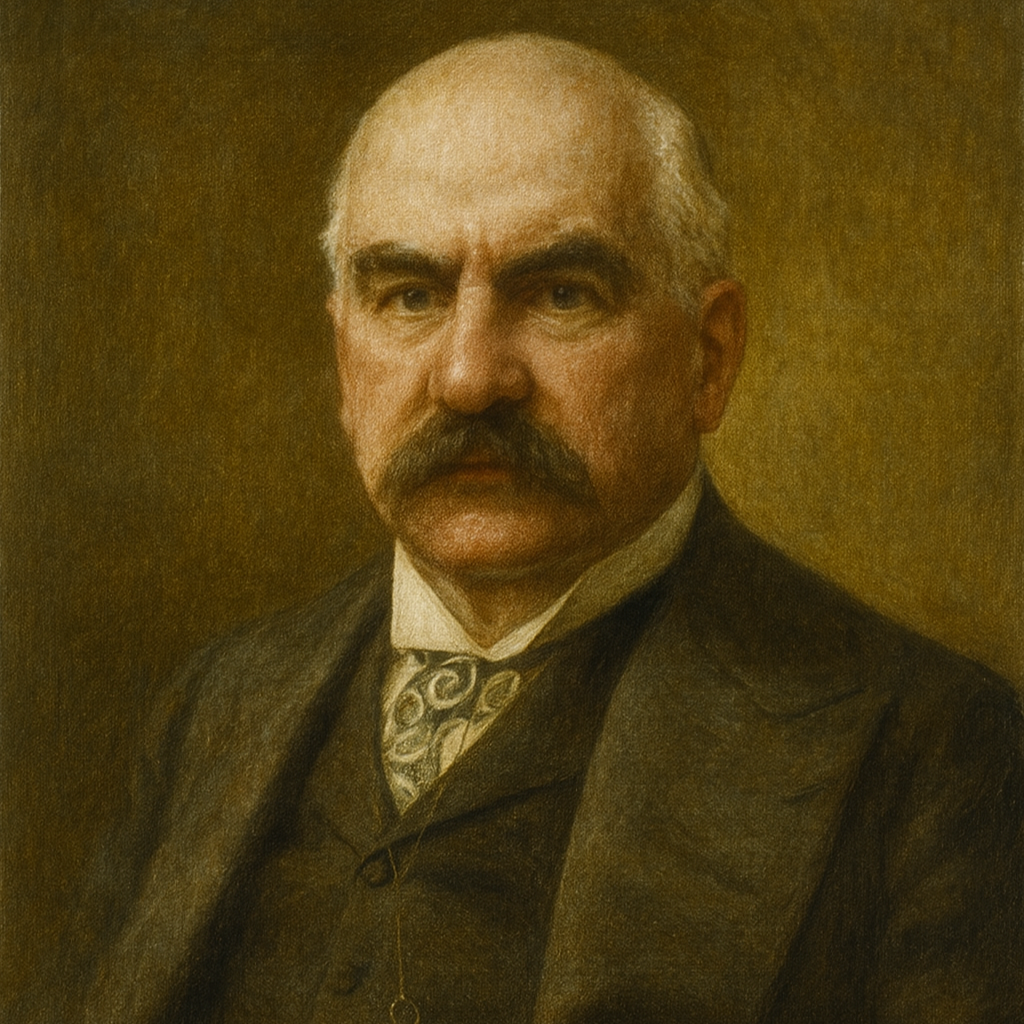
Financier John Pierpont Morgan Sr.
(April 17, 1837 – March 31, 1913)
An American financier and investment banker who dominated corporate finance on Wall Street throughout the Gilded Age and Progressive Era. As the head of the banking firm that ultimately became known as JPMorgan Chase & Co., he was a driving force behind the wave of industrial consolidations in the United States at the turn of the twentieth century. -
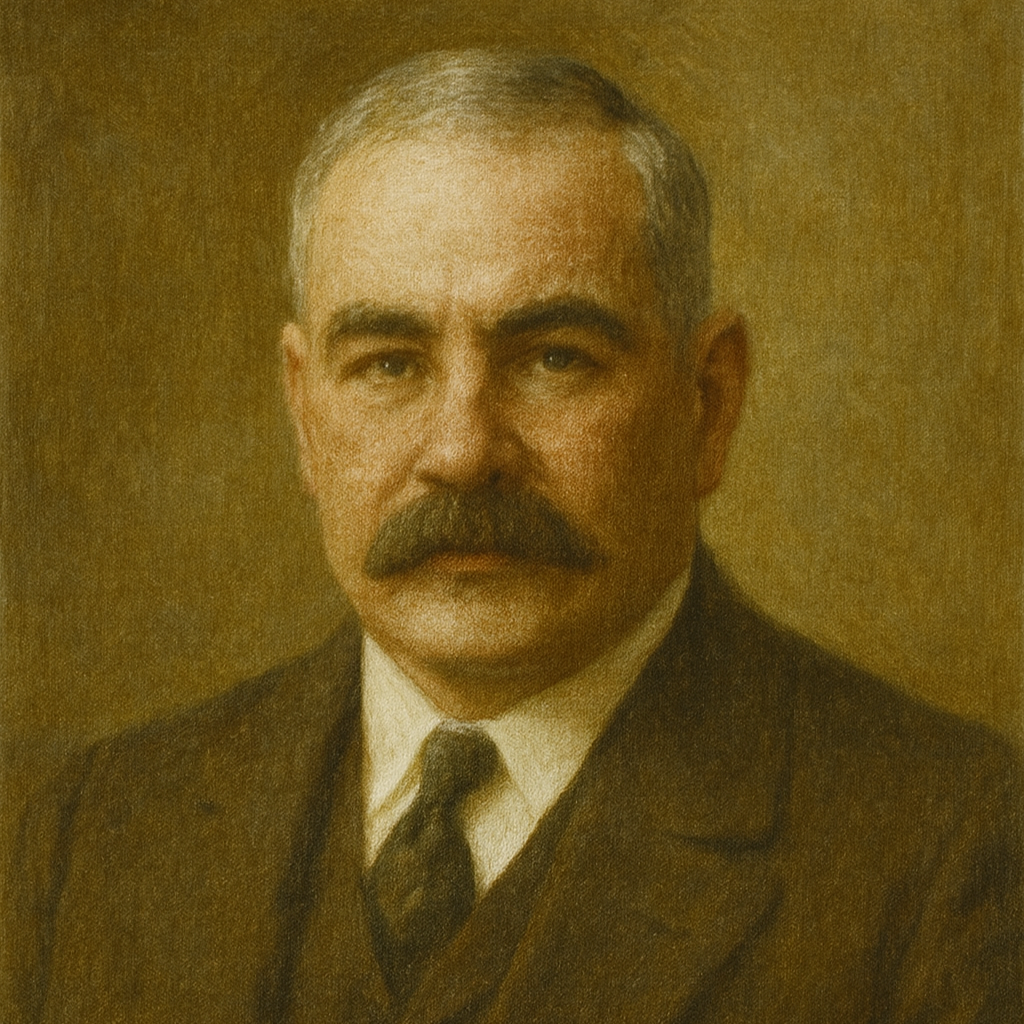
Financier John Pierpont Morgan Jr.
(September 7, 1867 – March 13, 1943)
was an American banker and finance executive. He inherited the family fortune and took over the business interests including J.P. Morgan & Co. after his father J. P. Morgan died in 1913. -
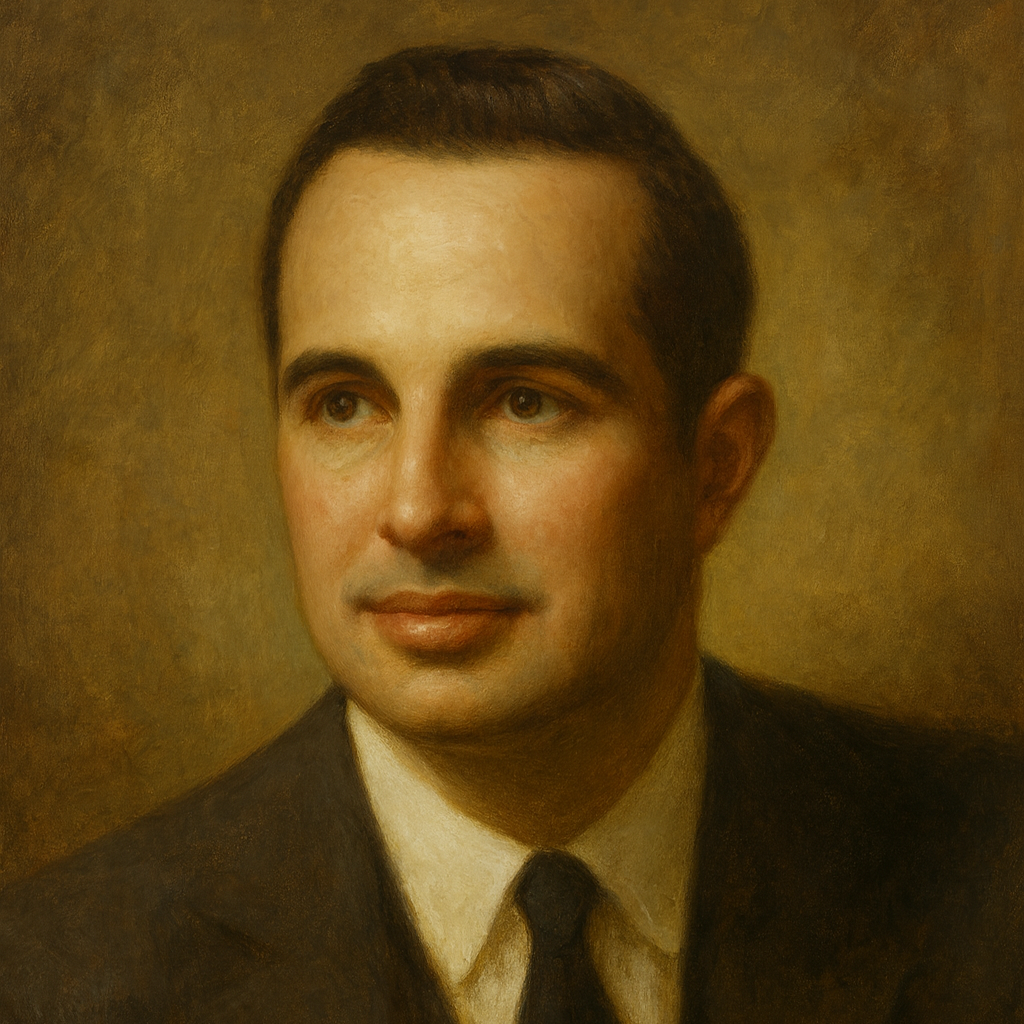
Congressman Ogden Reid
(June 24, 1925 – March 2, 2019)
An American politician and diplomat. He was the U.S. Ambassador to Israel and a six-term United States Representative from Westchester County, New York, serving from 1963 to 1975. -
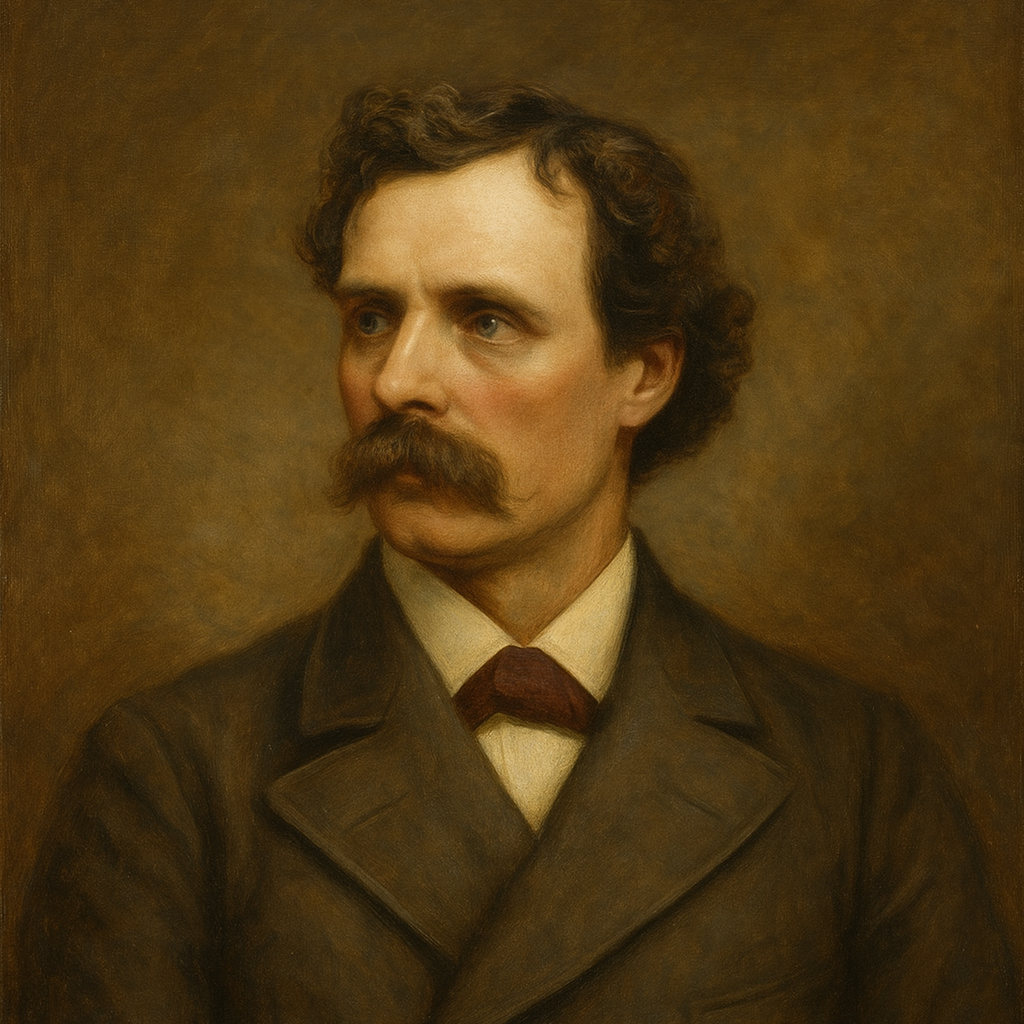
Ambassador Whitelaw Reid
(October 27, 1837 – December 15, 1912)
An American politician, diplomat and newspaper editor, as well as the author of Ohio in the War, a popular work of history. -
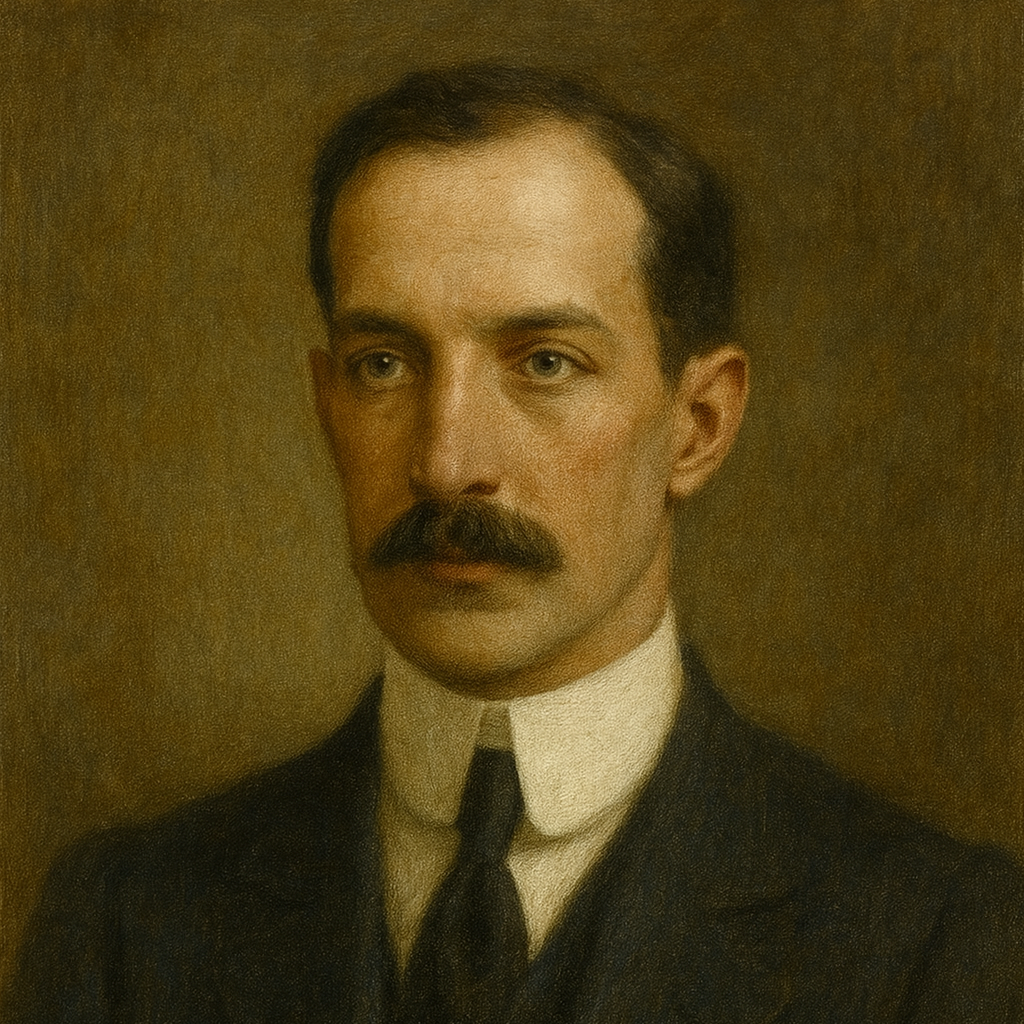
Publisher Ogden Mills Reid
(May 16, 1882 – January 3, 1947)
An American newspaper publisher who was president of the New York Herald Tribune. -
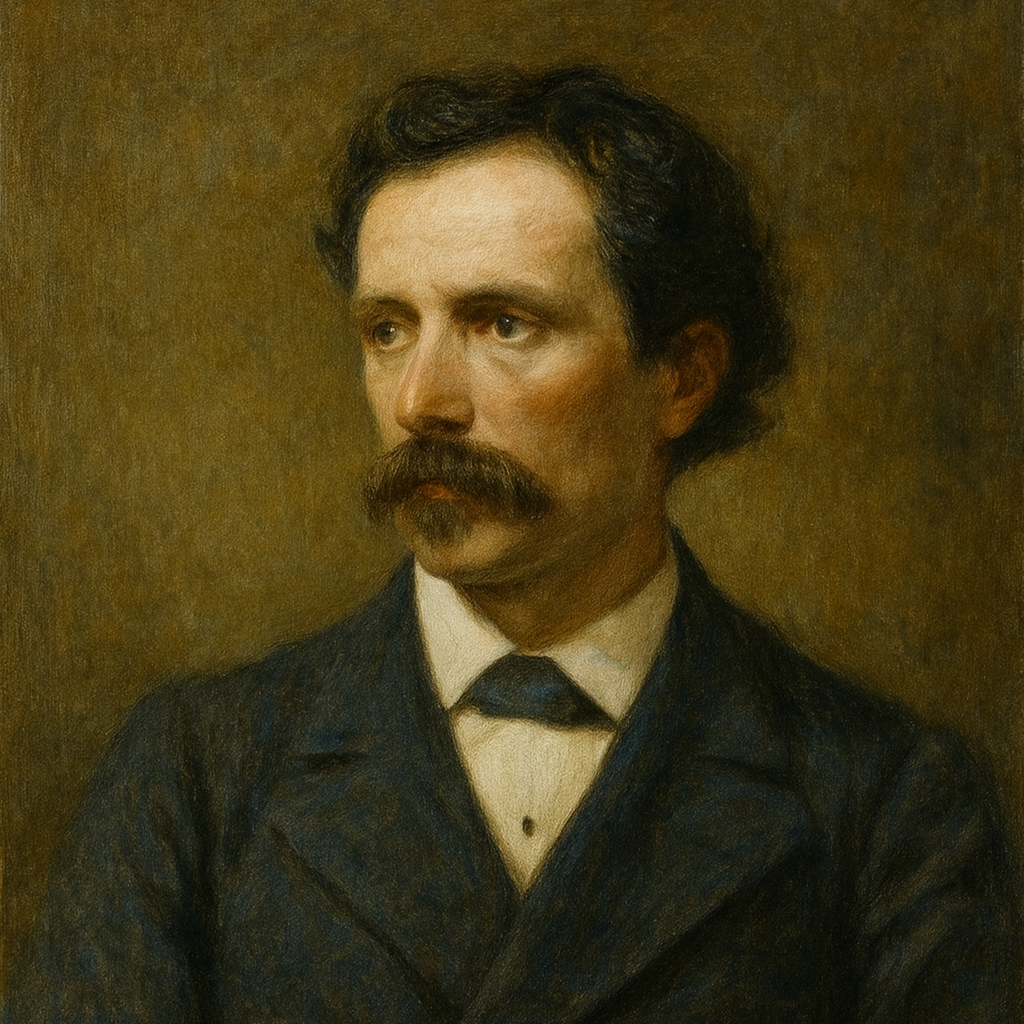
Publisher Whitelaw Reid (journalist)
(July 26, 1913 – April 18, 2009)
An American journalist who later served as editor, president and chairman of the family-owned New York Herald Tribune. An avid sportsman throughout his life, he won a national singles title in his age group at age 85 and a national doubles title at age 90, both in tennis. -
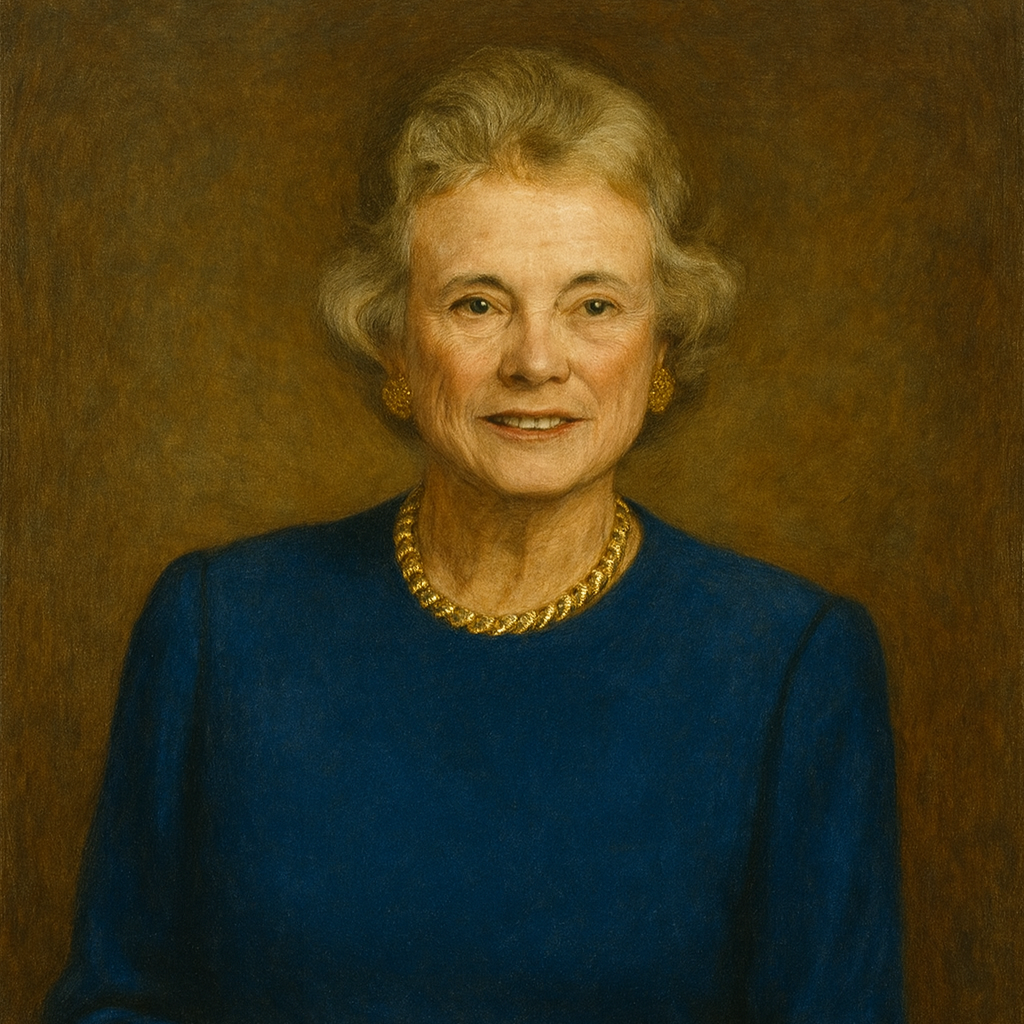
Supreme Court Justice Sandra Day O’Connor
(March 26, 1930 – December 1, 2023)
An American attorney, politician, and jurist who served as an associate justice of the Supreme Court of the United States from 1981 to 2006. Nominated by President Ronald Reagan, O'Connor was the first woman to serve as a U.S. Supreme Court justice. -
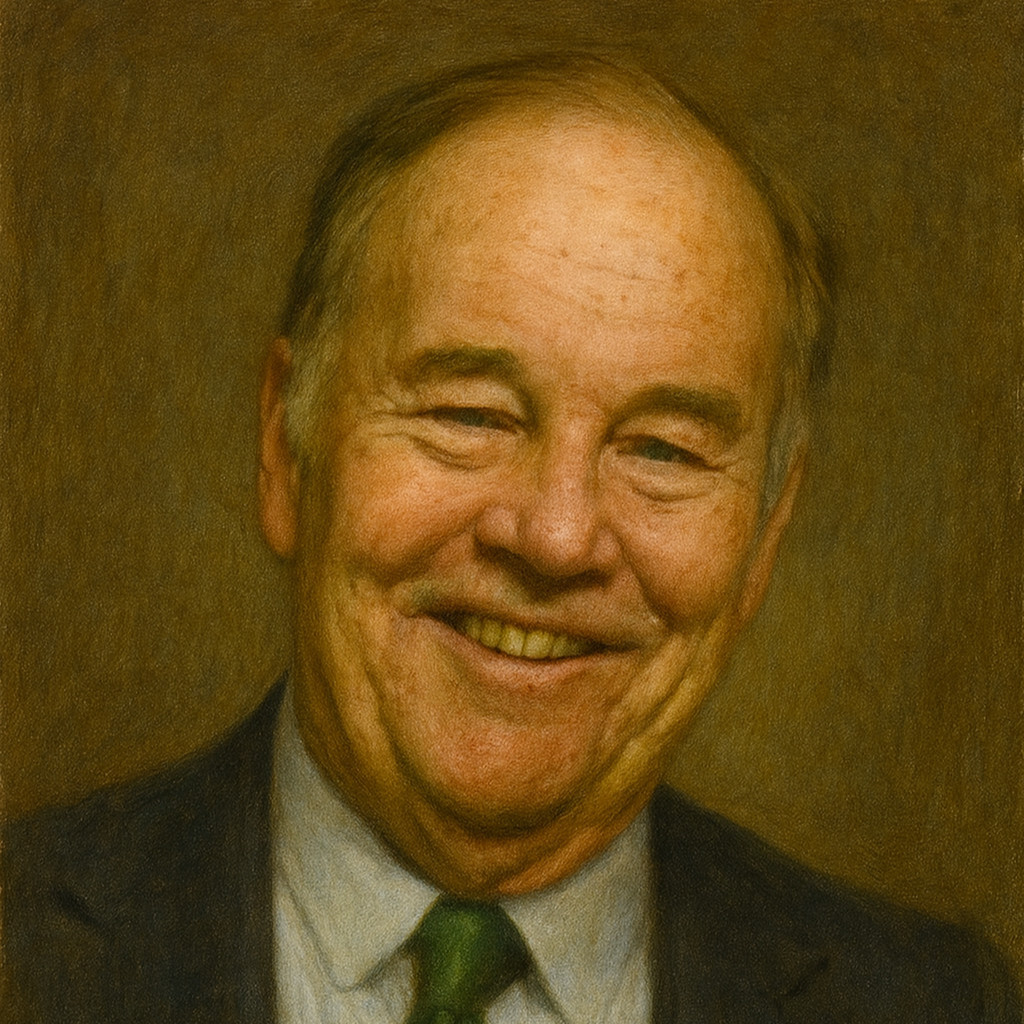
New Jersey Governor Thomas Kean
(Born April 21, 1935)
An American statesman and academic administrator who served as the 48th governor of New Jersey from 1982 to 1990. A member of the Republican Party, he served in the New Jersey General Assembly and was chair of the 9/11 Commission from 2002 to 2004. -
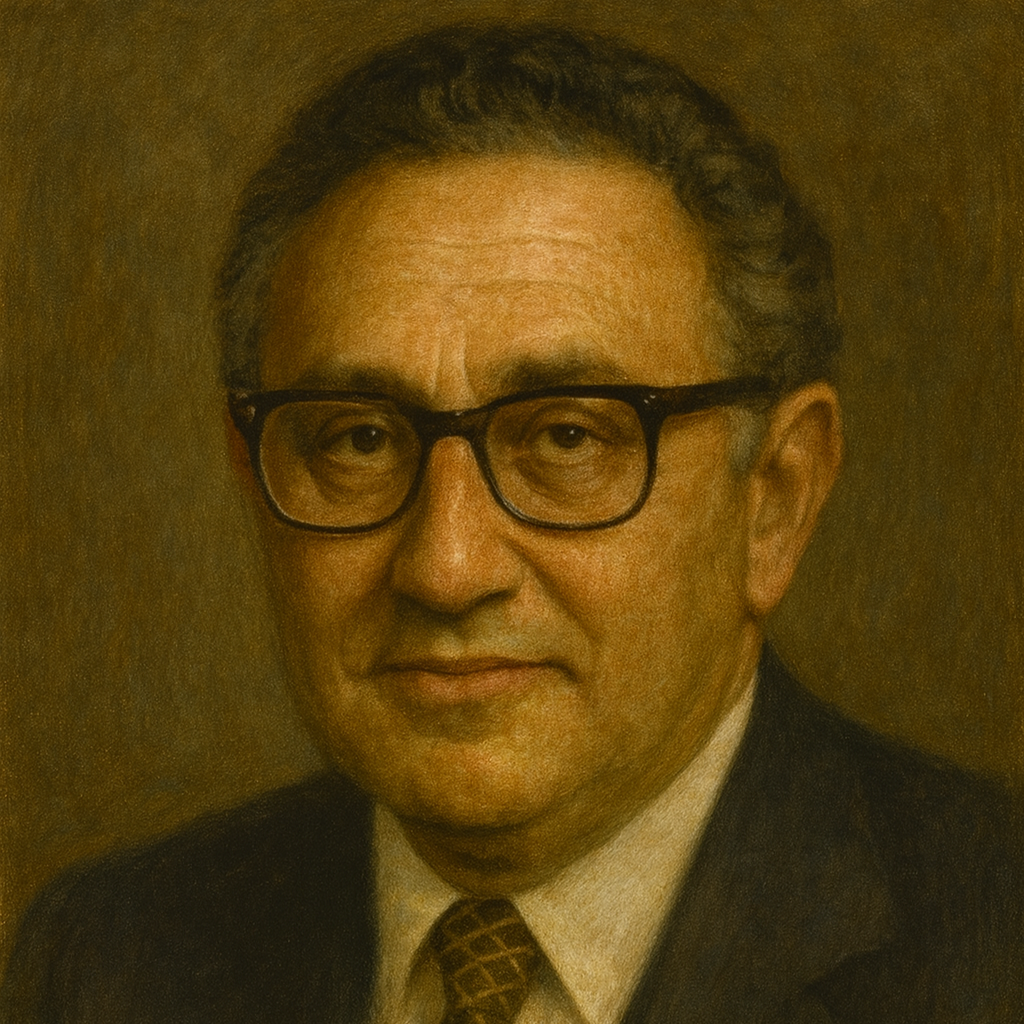
Secretary of State Henry Kissinger
(May 27, 1923 – November 29, 2023)
An American diplomat and political scientist who served as the 56th United States secretary of state from 1973 to 1977 and the 7th national security advisor from 1969 to 1975, serving under presidents Richard Nixon and Gerald Ford. -
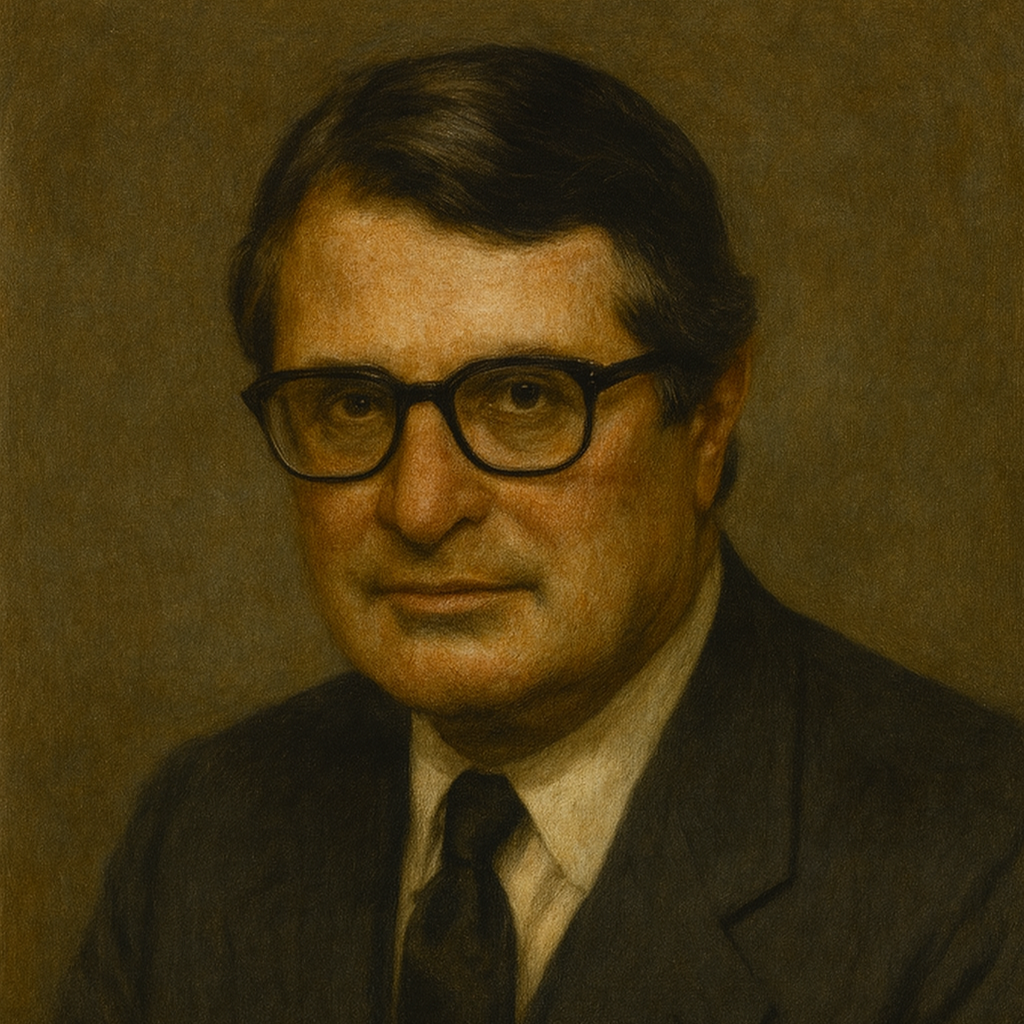
Attorney General Elliot Richardson
(July 20, 1920 – December 31, 1999)
An American lawyer and Republican politician. As a member of the cabinets of Richard Nixon and Gerald Ford between 1970 and 1977, Richardson is one of two men in United States history to hold four cabinet positions. -
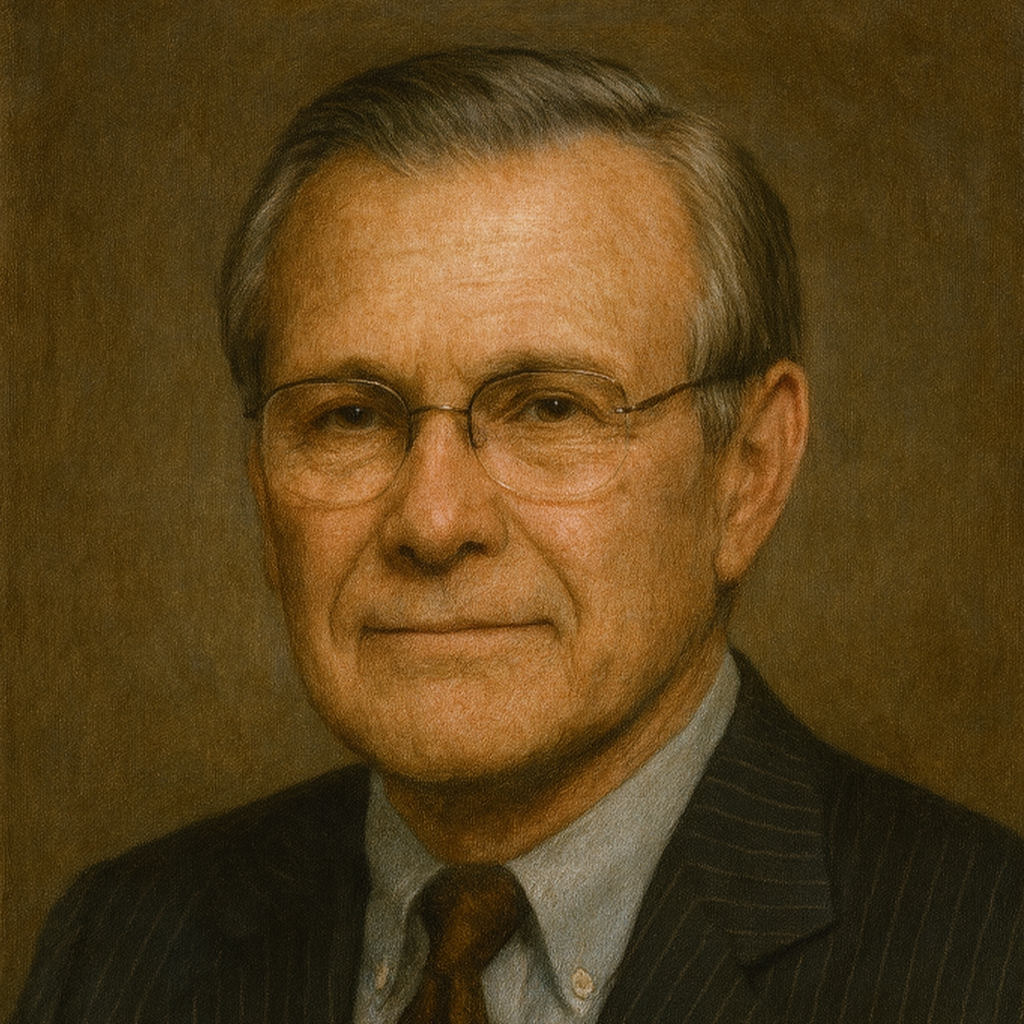
Secretary of Defense Donald Rumsfeld
(July 9, 1932 – June 29, 2021)
An American politician, businessman, and naval officer who served as Secretary of Defence from 1975 to 1977 under President Gerald Ford, and again from 2001 to 2006 under President George W. Bush. -
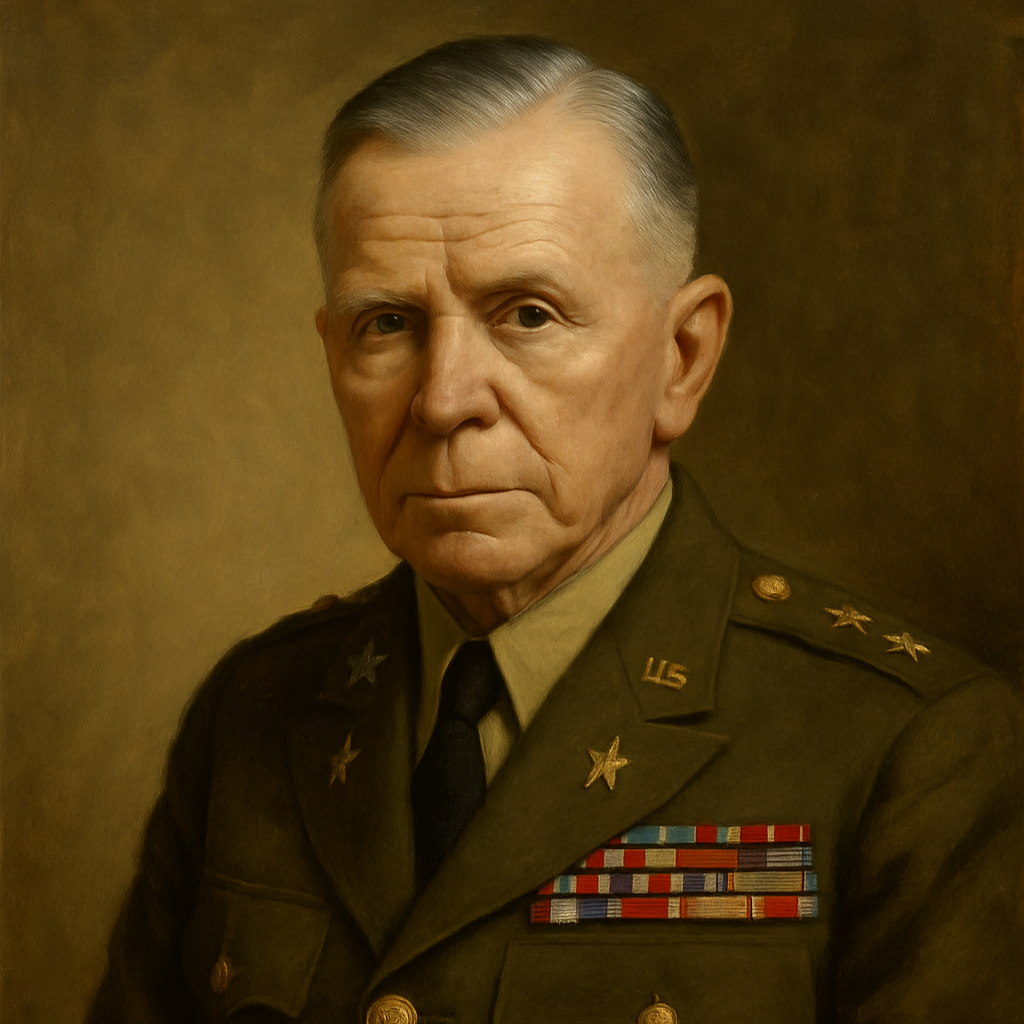
General of the U.S. Army George C. Marshall
(31 December 1880 – 16 October 1959)
An American army officer and statesman. He rose through the United States Army to become Chief of Staff of the U.S. Army under presidents Franklin D. Roosevelt and Harry S. Truman, then served as Secretary of State and Secretary of Defence under Truman. -
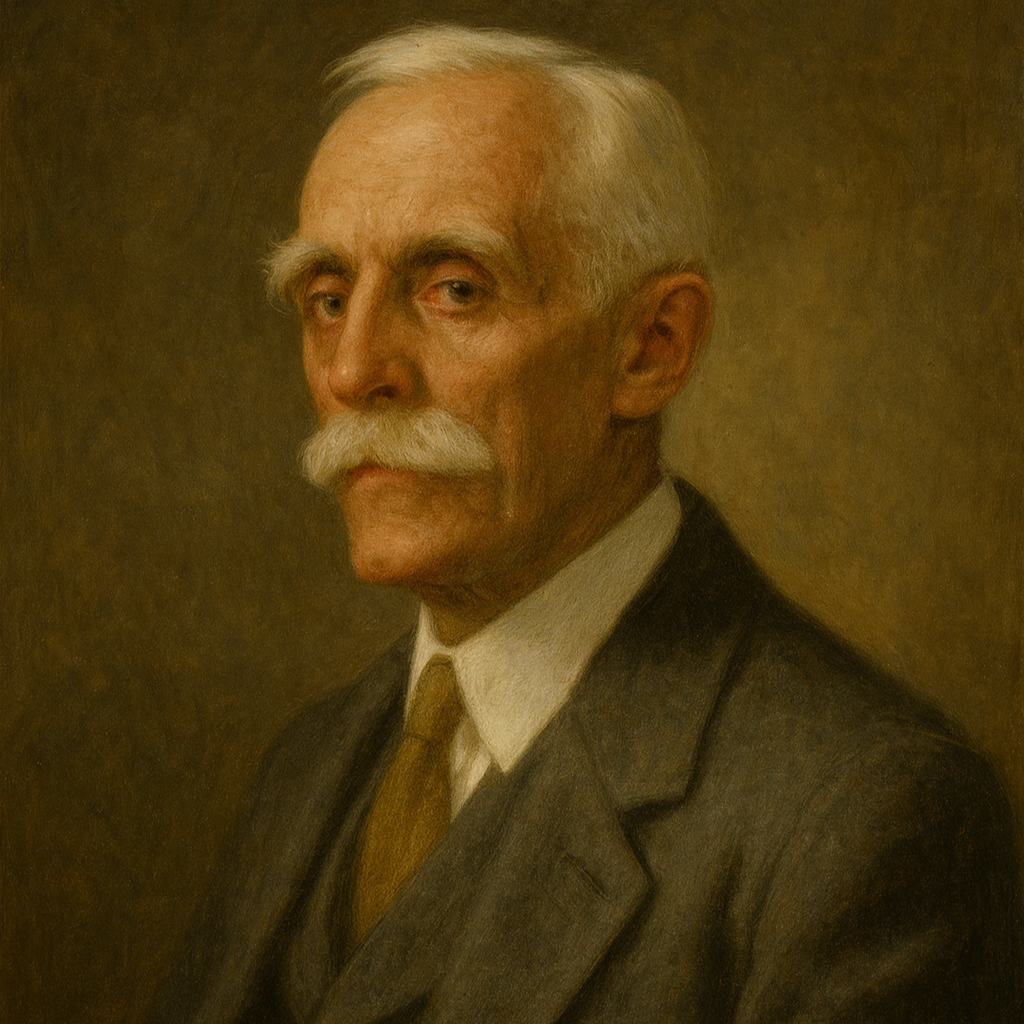
Secretary of the Treasury Andrew W. Mellon
(March 24, 1855 – August 26, 1937)
Also known as A. W. Mellon, an American banker, businessman, industrialist, philanthropist, art collector, and politician. The son of Mellon family patriarch Thomas Mellon, he established a vast business empire before moving into politics. -
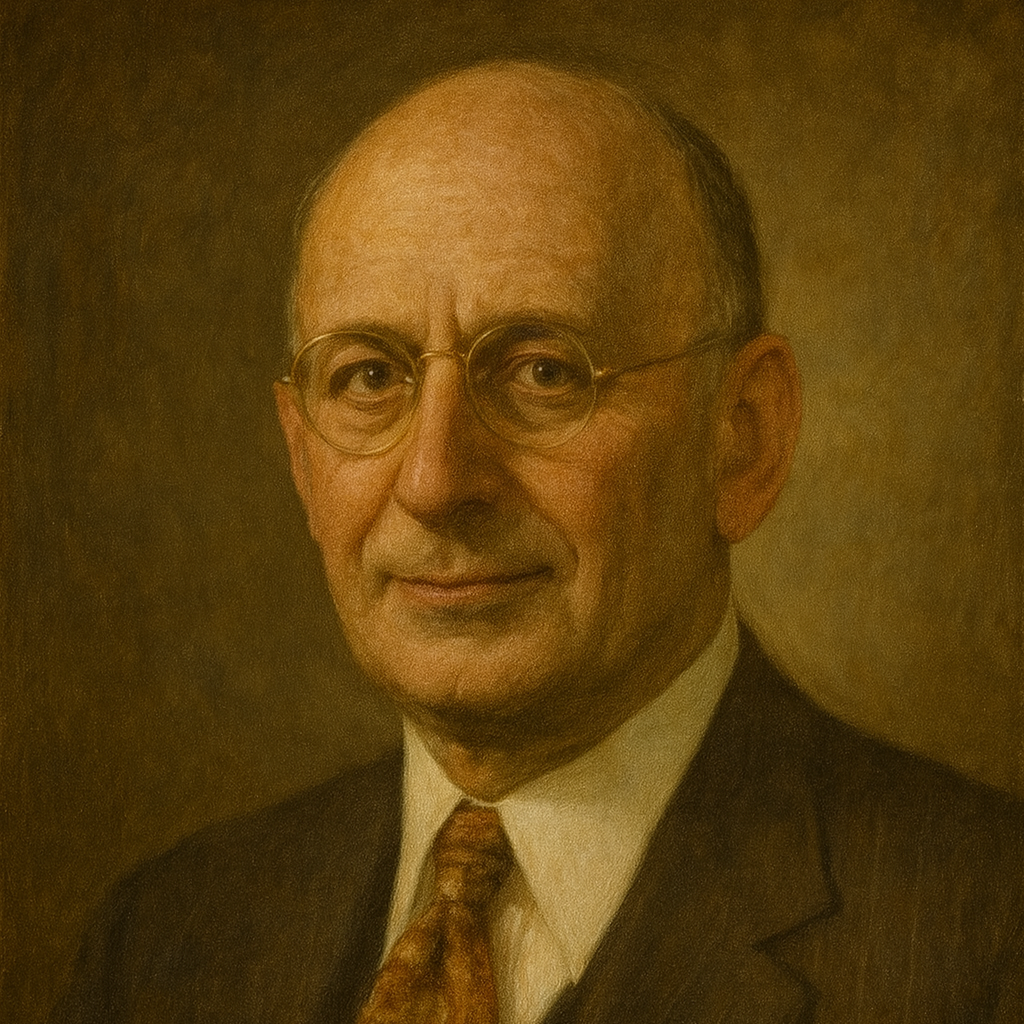
Secretary of the Treasury Henry Morgenthau Jr.
(May 11, 1891 – February 6, 1967)
The United States Secretary of the Treasury during most of the administration of Franklin D. Roosevelt. He played a major role in designing and financing the New Deal. After 1937, while still in charge of the Treasury, he played the central role in financing the United States participation in World War II. -
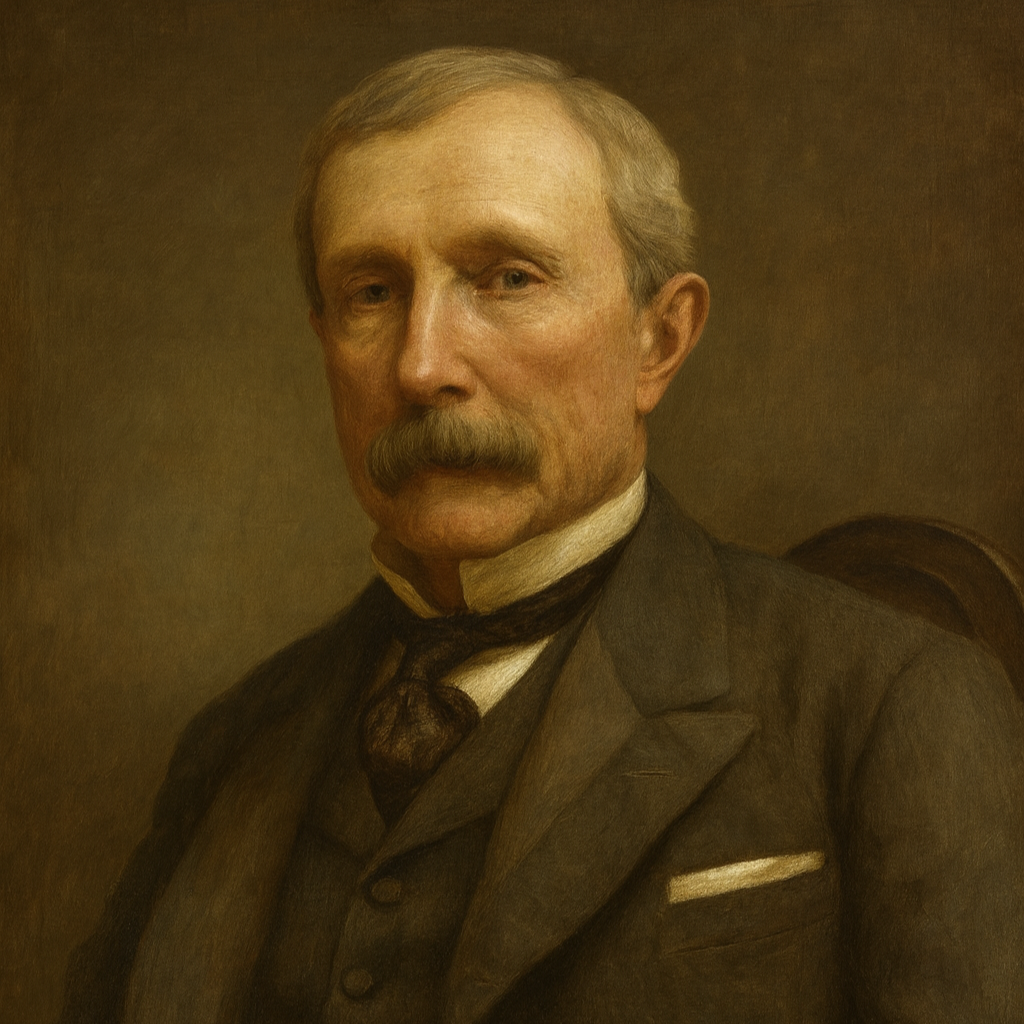
Oil Refiner John D. Rockefeller
(July 8, 1839 – May 23, 1937)
An American businessman and philanthropist. He was one of the wealthiest Americans of all time and one of the richest persons in modern history. Rockefeller was born into a large family in Upstate New York, which moved several times before eventually settling in Cleveland, Ohio. -
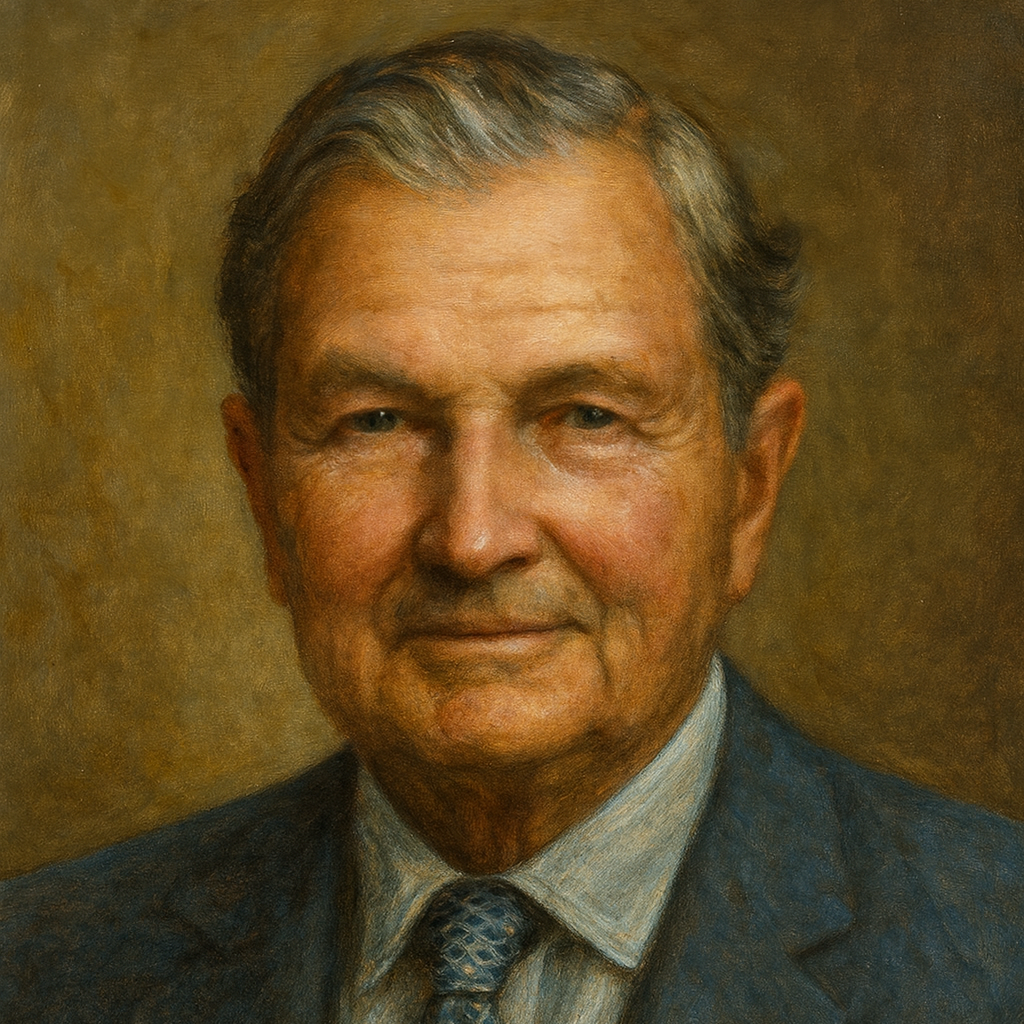
Banker David Rockefeller
(June 12, 1915 – March 20, 2017)
An American economist and investment banker who served as chairman and chief executive of Chase Manhattan Corporation. He was the oldest living member of the Rockefeller family from 2004 until his death in 2017. -
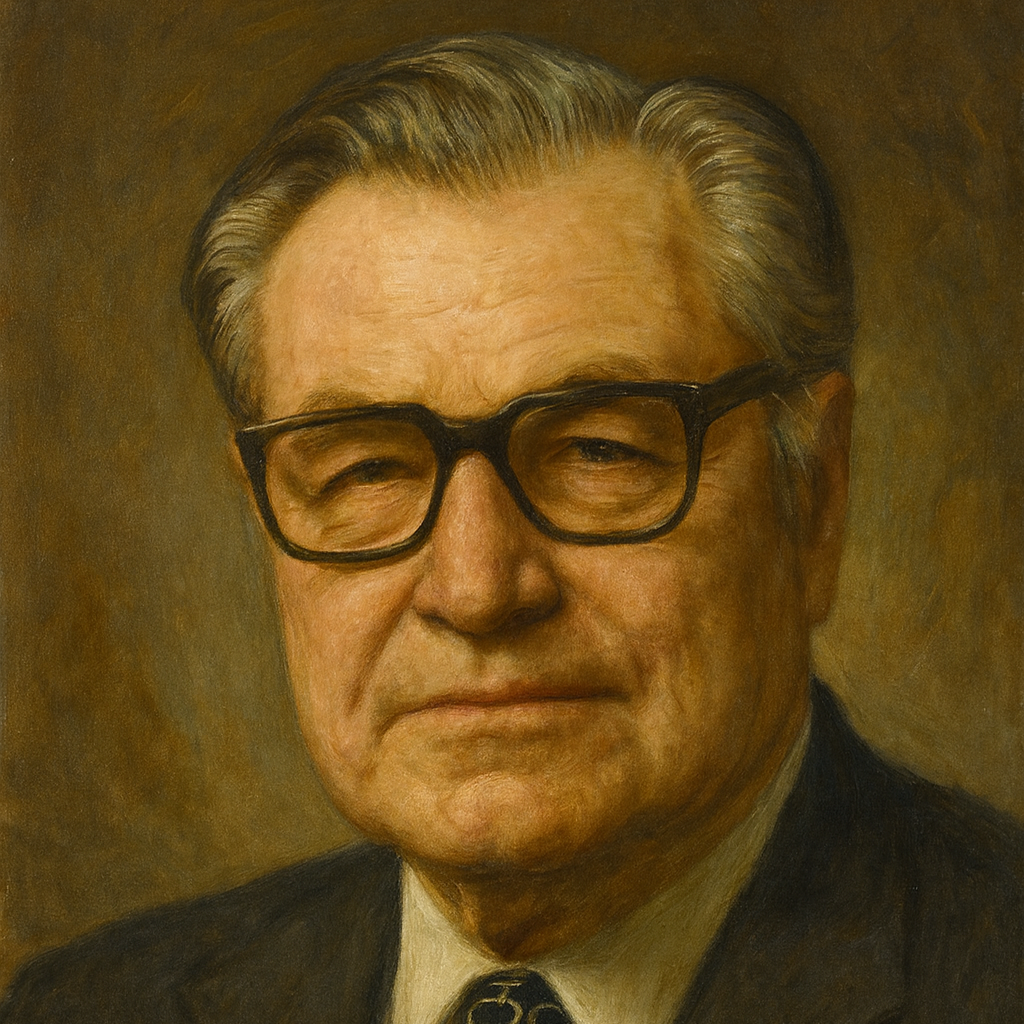
Vice President Nelson Rockefellere
(July 8, 1908 – January 26, 1979)
The 41st vice president of the United States, serving from 1974 to 1977 under President Gerald Ford. A member of the Republican Party and the wealthy Rockefeller family, he was the 49th governor of New York from 1959 to 1973.
-
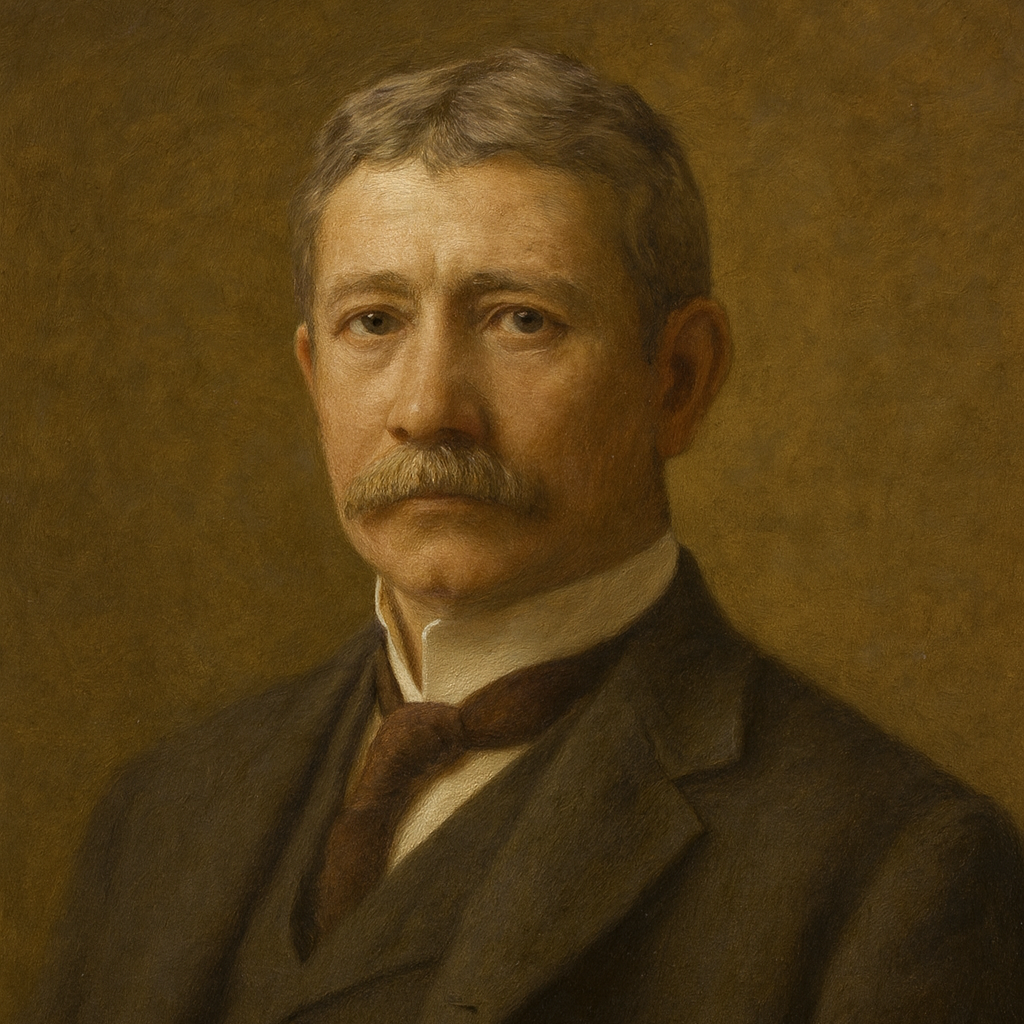
Secretary of State Elihu Root
(February 15, 1845 – February 7, 1937)
An American lawyer, Republican politician, and statesman who served as the 41st United States Secretary of War under presidents William McKinley and Theodore Roosevelt and the 38th United States Secretary of State also under Roosevelt. In both positions as well as a long legal career, he pioneered the American practice of international law. -
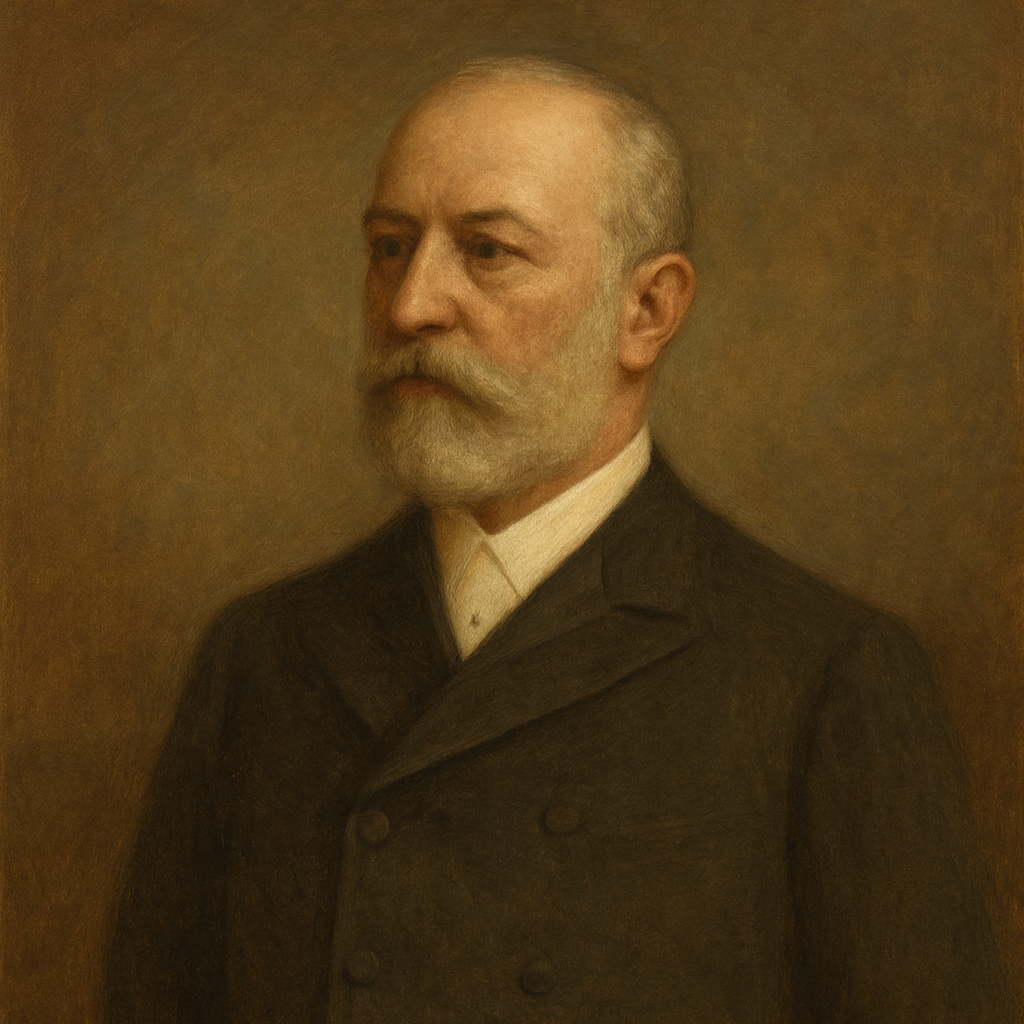
Banker Jacob Schiff
(January 10, 1847 – September 25, 1920)
A German-born American banker, businessman, and philanthropist. He helped finance the expansion of American railroads. -
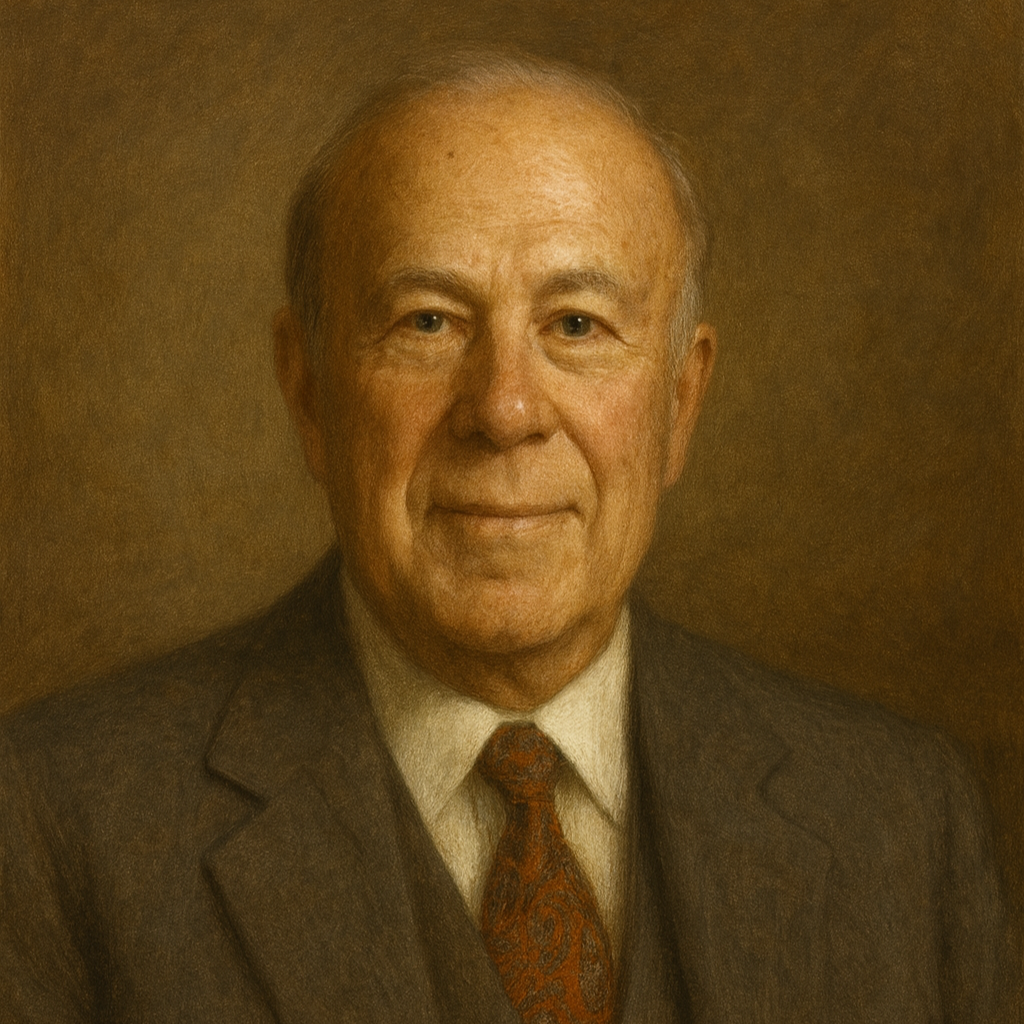
Secretary of State George Shultz
(December 13, 1920 – February 6, 2021)
An American economist, businessman, diplomat and statesman. He served in various positions under two different Republican presidents and is one of the only two persons to have held four different Cabinet-level posts, the other being Elliot Richardson. -
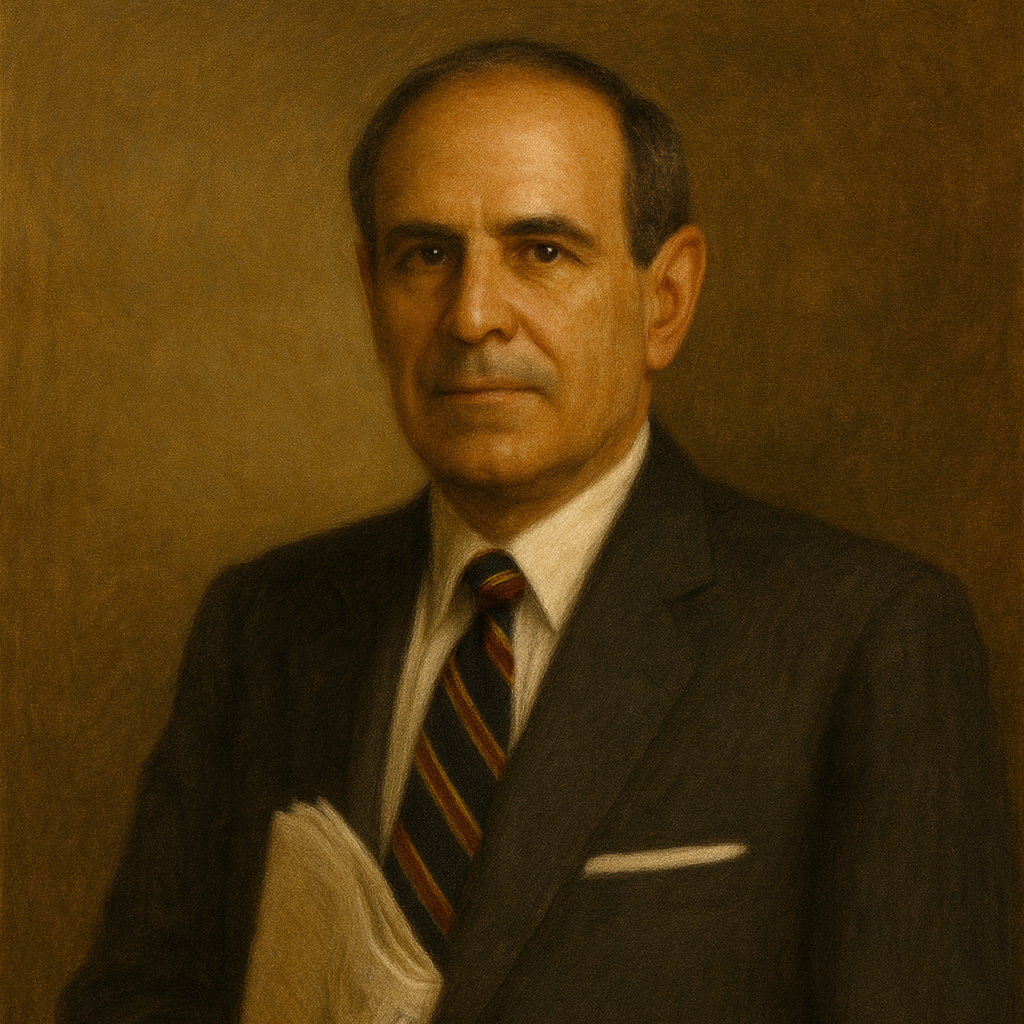
Publisher Arthur Ochs Sulzberger
(February 5, 1926 – September 29, 2012)
An American publisher and a businessman. Born into a prominent media and publishing family, Sulzberger became publisher of The New York Times in 1963 and chairman of the board of The New York Times Company in 1973. -
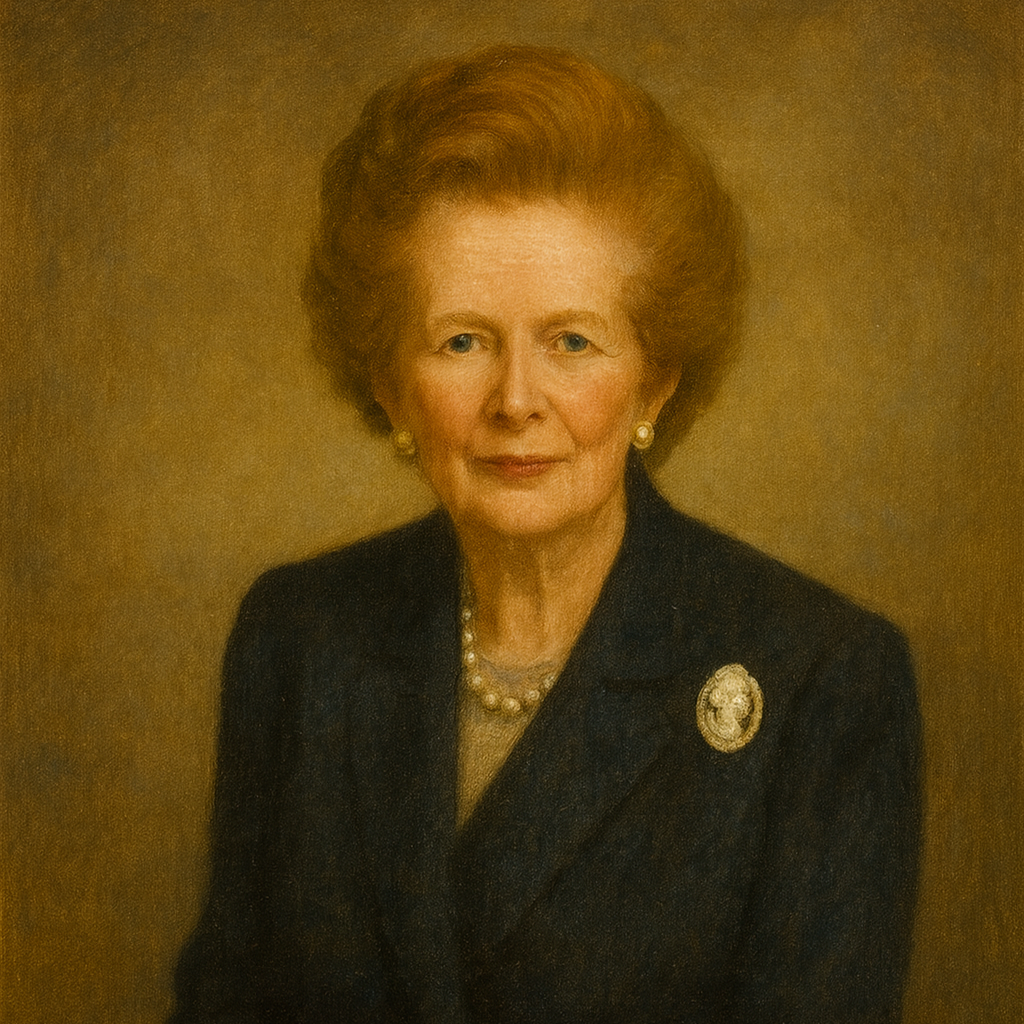
Prime Minister Margaret Thatcher
(13 October 1925 – 8 April 2013)
A British stateswoman who served as Prime Minister of the United Kingdom from 1979 to 1990 and Leader of the Conservative Party from 1975 to 1990. She was the longest-serving British prime minister of the 20th century and the first woman to hold the position. -
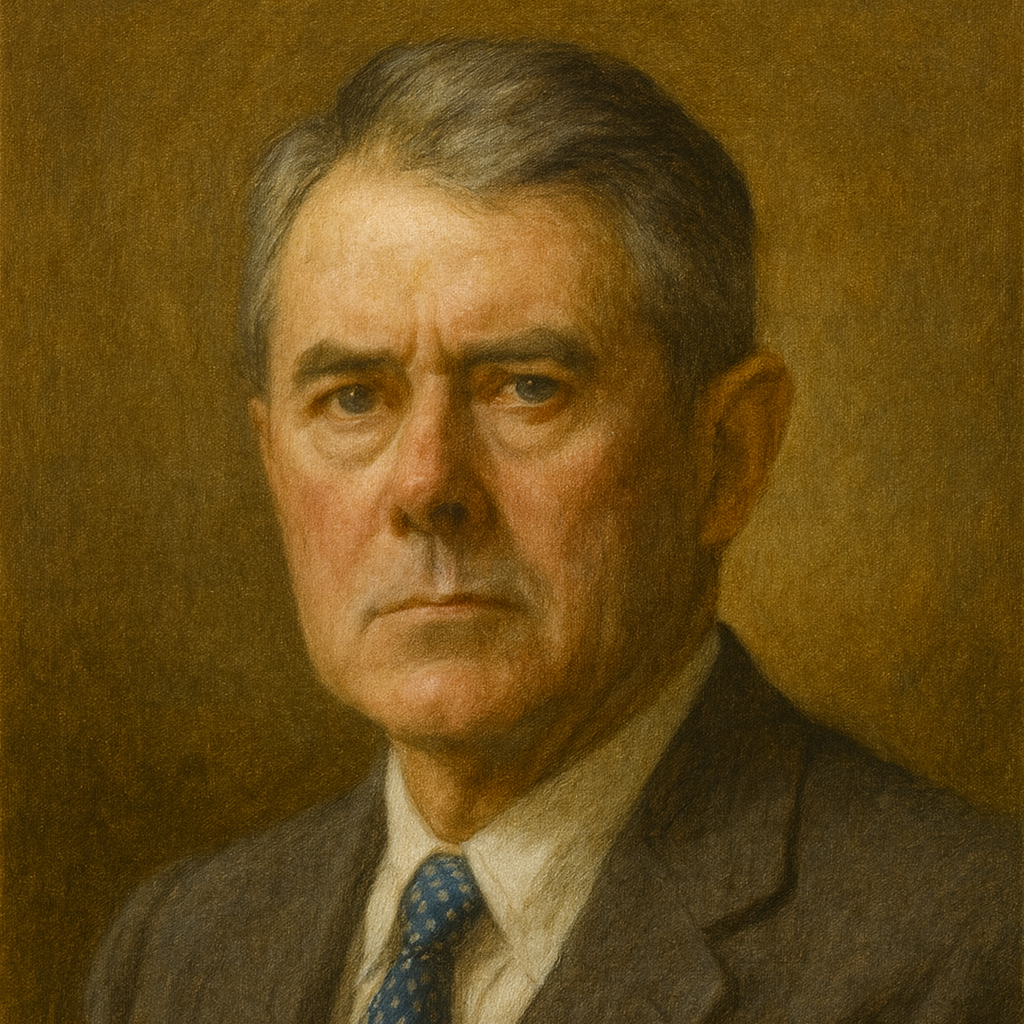
Secretary of State Cyrus Vance
(March 27, 1917 – January 12, 2002)
An American lawyer and diplomat who served as the 57th United States Secretary of State under President Jimmy Carter from 1977 to 1980. Before serving in that position, he was the United States Deputy Secretary of Defence in the Johnson administration. -
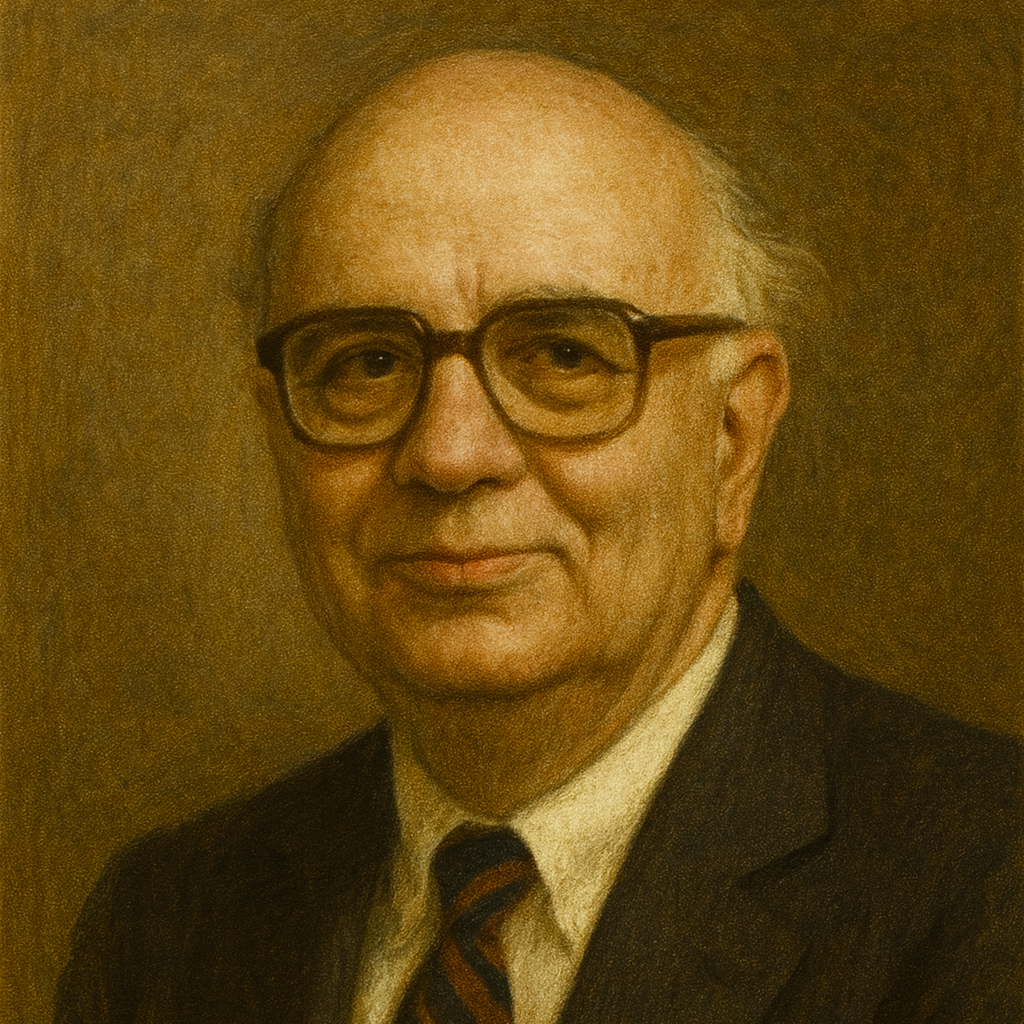
FED Chairman Paul Volcker
(September 5, 1927 – December 8, 2019)
An American economist who served as the 12th chairman of the Federal Reserve from 1979 to 1987.
An American publisher and a businessman. Born into a prominent media and publishing family, Sulzberger became publisher of The New York Times in 1963 and chairman of the board of The New York Times Company in 1973. -
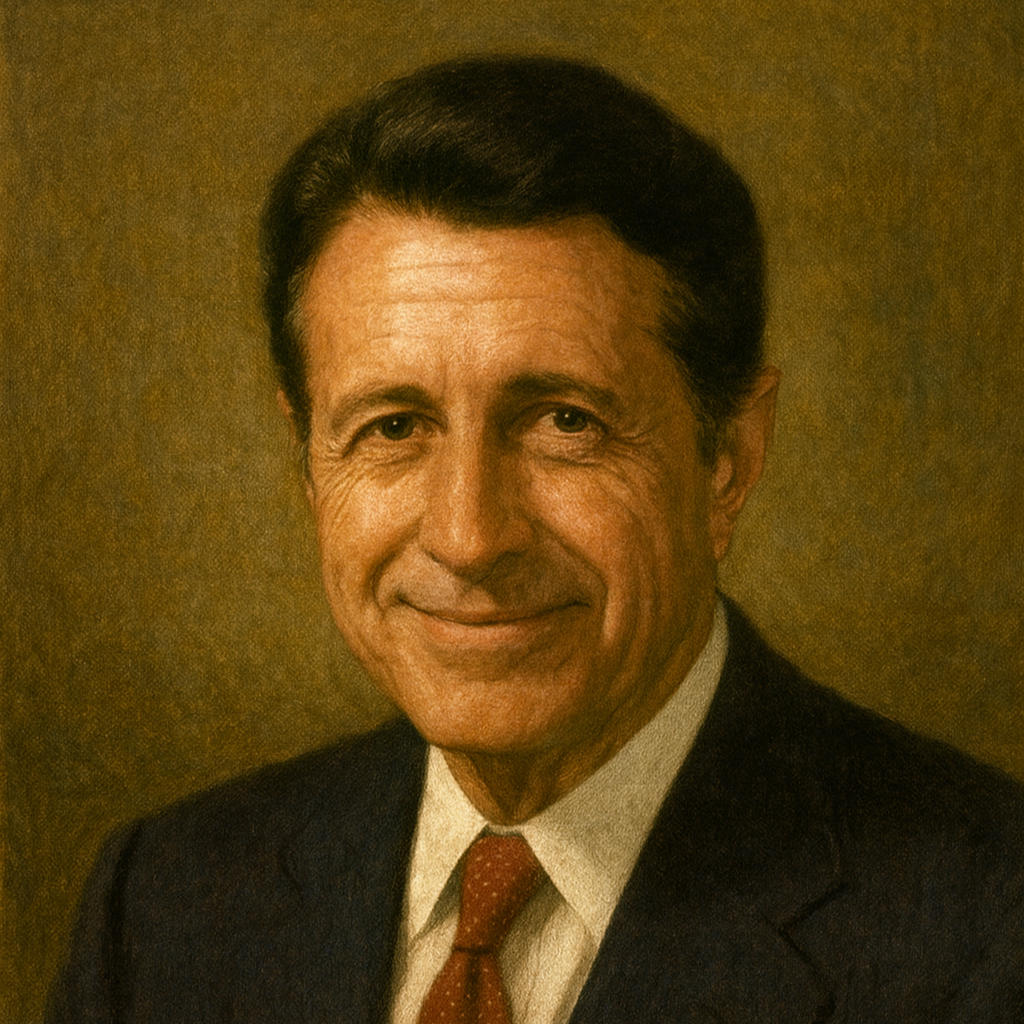
Secretary of Defense Caspar Weinberger
(August 18, 1917 – March 28, 2006)
An American politician and businessman. As a Republican, he served in a variety of state and federal positions for three decades, most notably as Secretary of Defense under President Ronald Reagan from January 1981 to November 1987. -
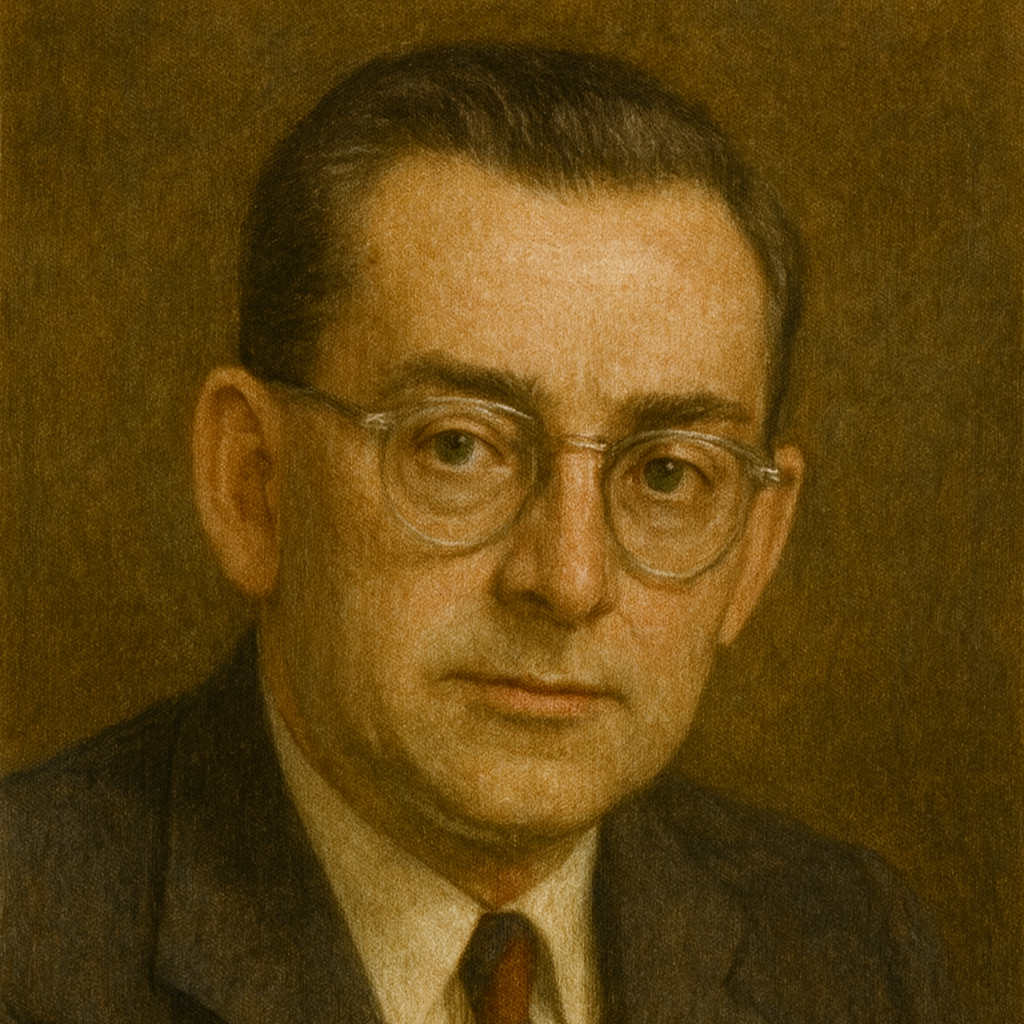
Ambassador John Hay Whitney
(August 17, 1904 – February 8, 1982)
An American venture capitalist, sportsman, philanthropist, newspaper publisher, film producer and diplomat who served as U.S. Ambassador to the United Kingdom, publisher of the New York Herald Tribune, and president of the Museum of Modern Art. -
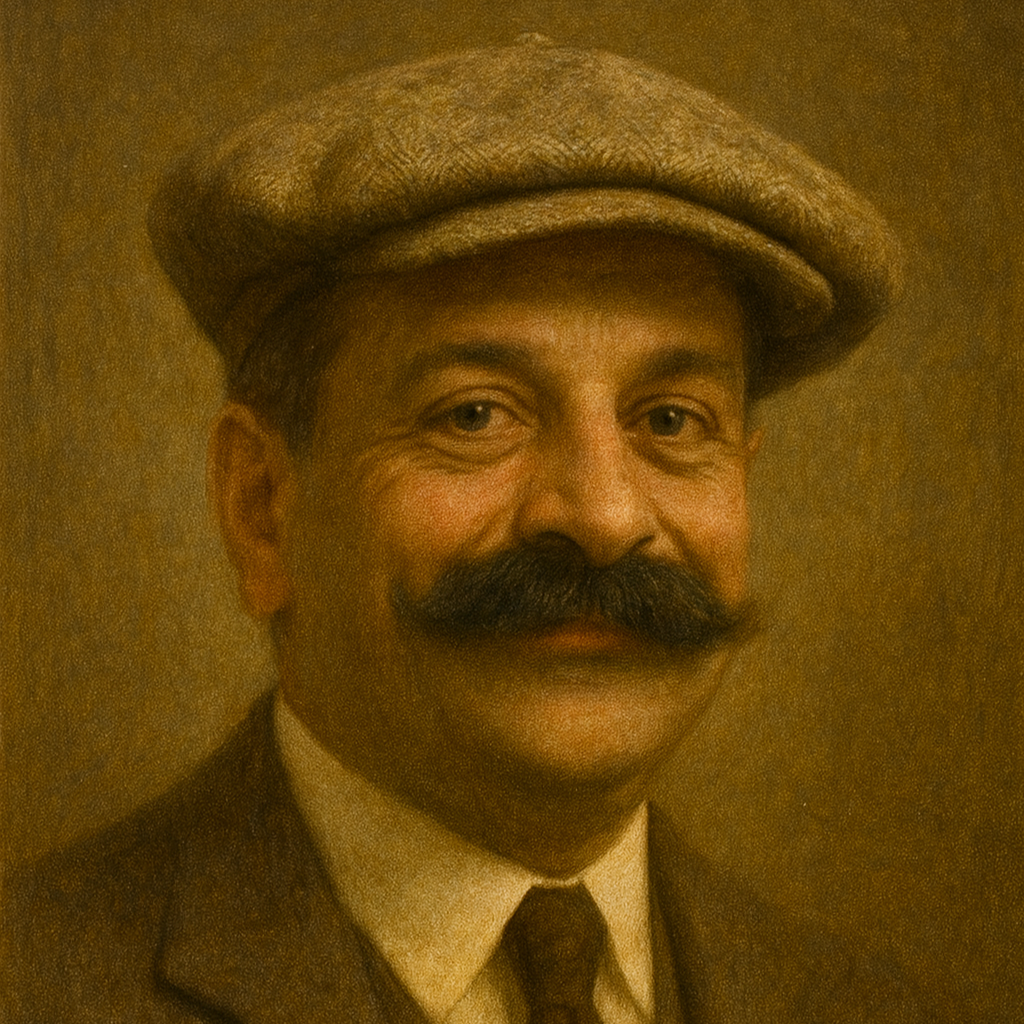
Banker Felix M. Warburg
(January 14, 1871 – October 20, 1937)
A German-born American banker. He was a member of the Warburg banking family of Hamburg, Germany. -
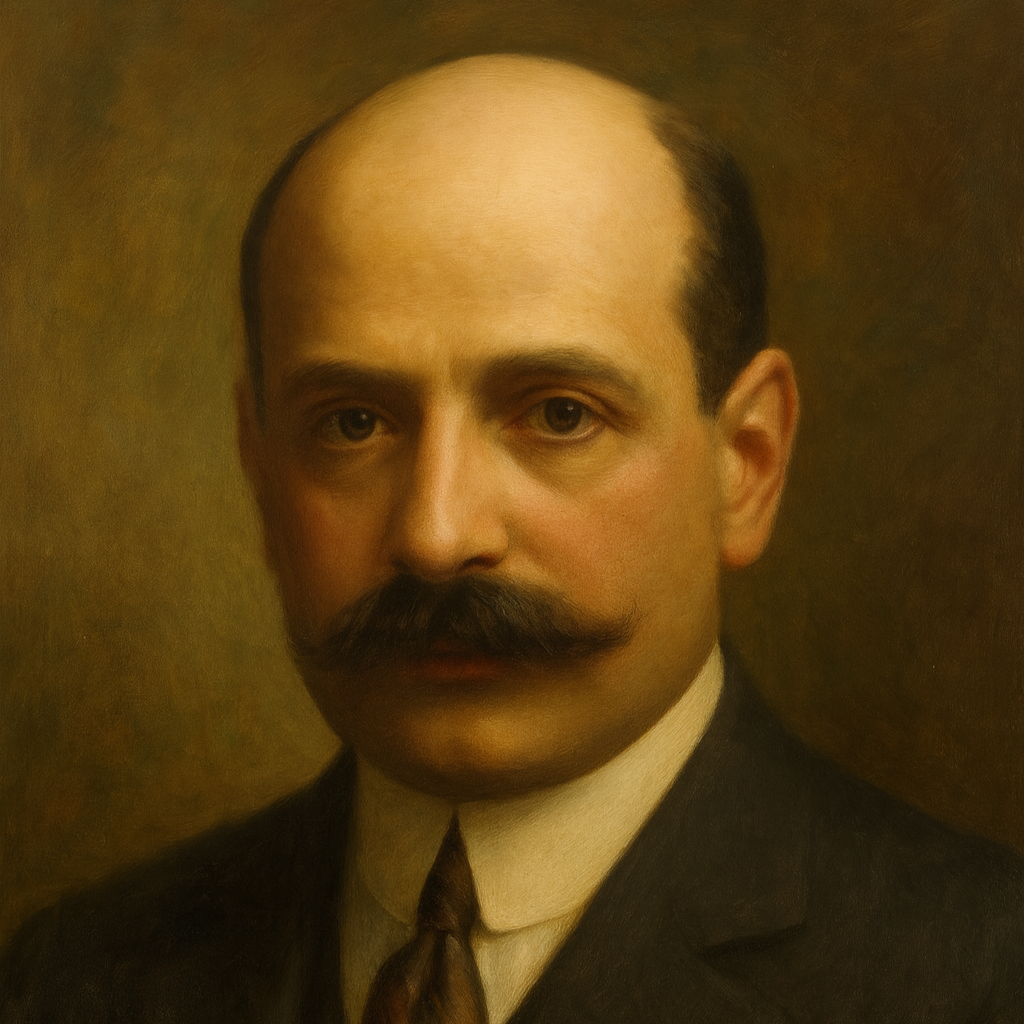
Banker Paul Warburg
(August 10, 1868 – January 24, 1932)
A German-born American investment banker who served as the second vice chairman of the Federal Reserve from 1916 to 1918. Prior to his term as vice chairman, Warburg served as one of the original members of the Federal Reserve Board, taking office in 1914. -
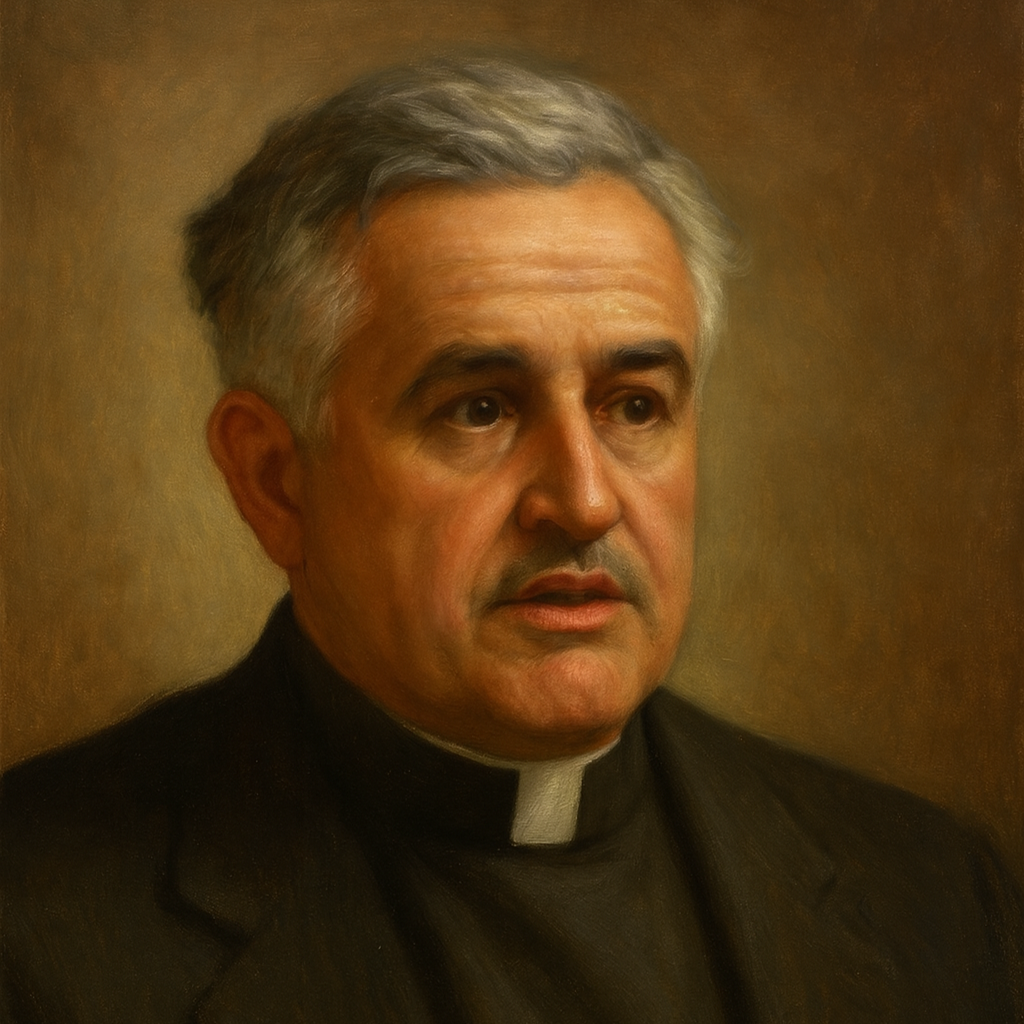
Theologian Robin Ward
(Born 22 January 1966)
A British Anglican priest. From 2006 to 2025 he was the principal of St Stephen's House, Oxford, an Anglo-Catholic theological college in England. -
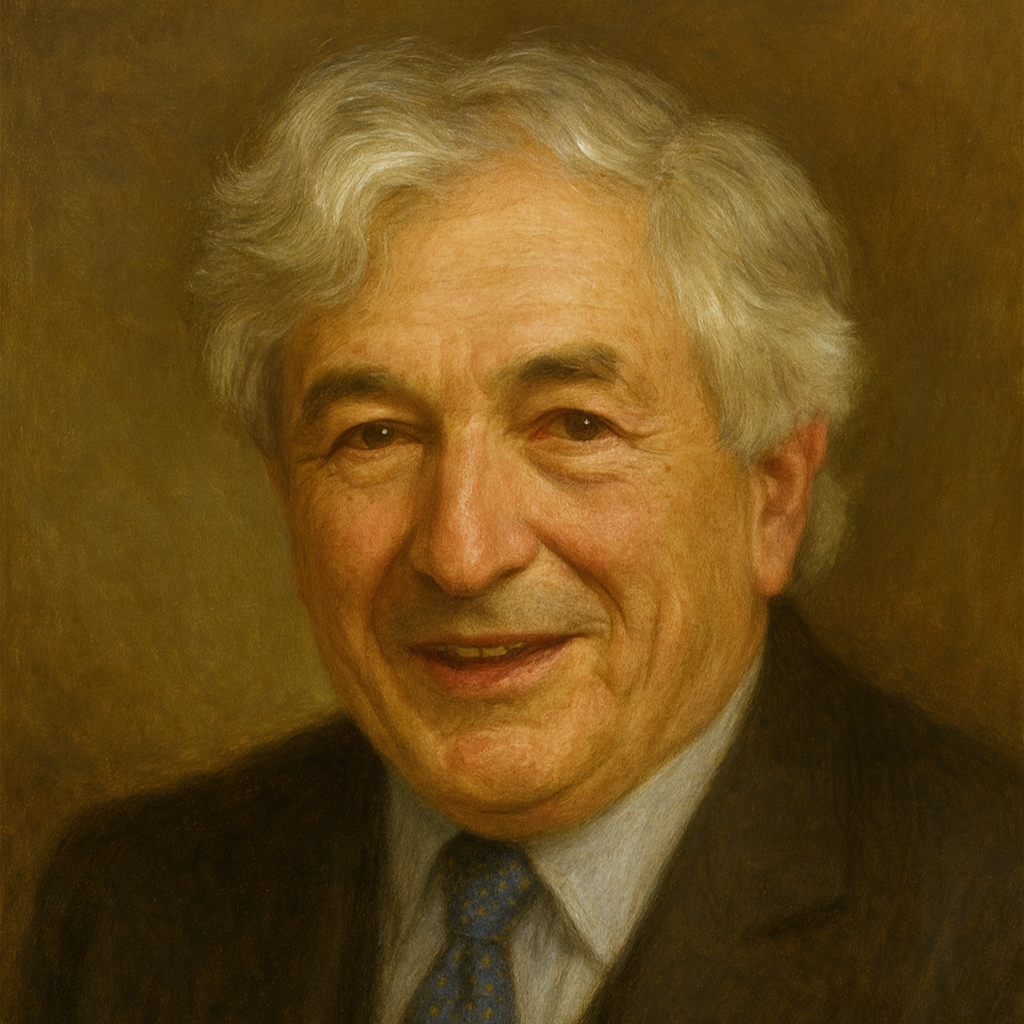
World Bank President James Wolfensohn
(1 December 1933 – 25 November 2020)
An Australian-American lawyer, investment banker, and economist who served as the ninth president of the World Bank Group (1995–2005). During his tenure at the World Bank, he is credited with the focus on poverty alleviation and a rethink on development financing, earning him recognition as a banker to the world's poor. -
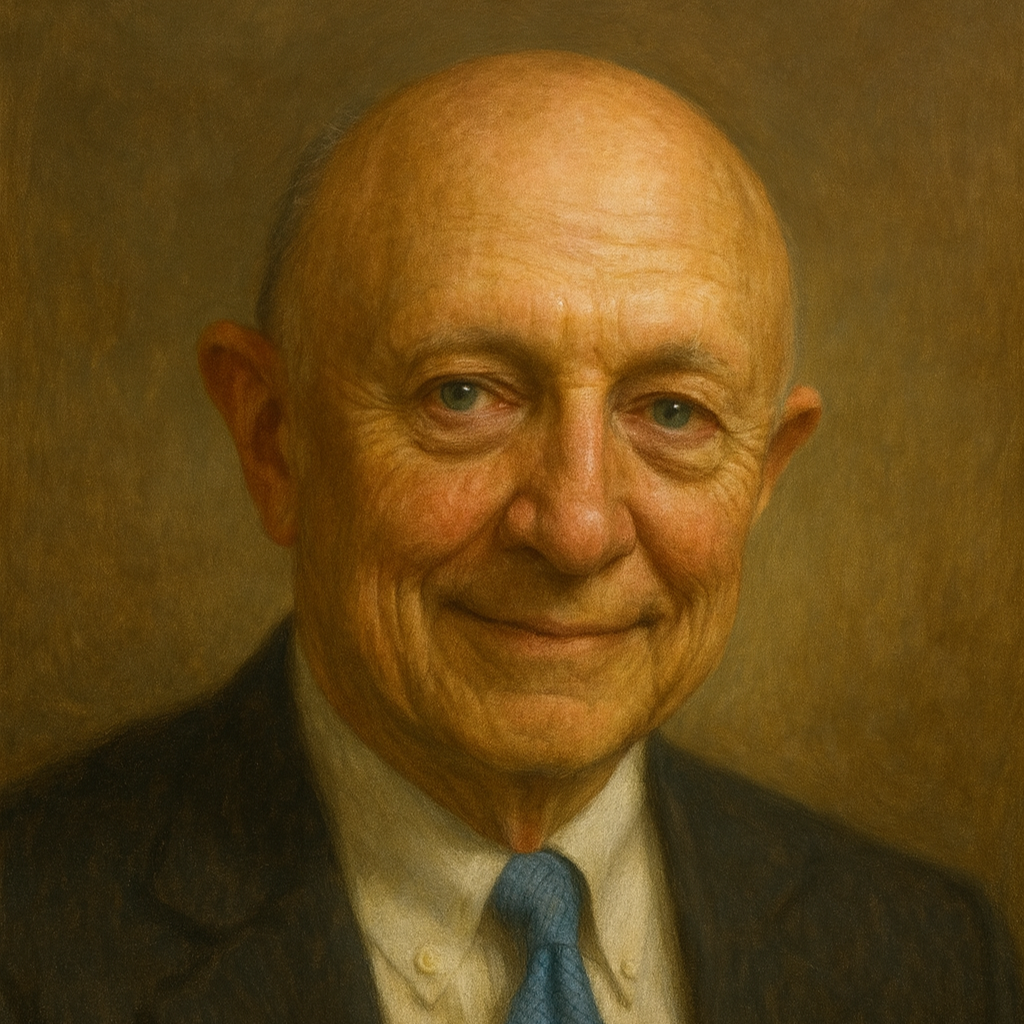
CIA Director James Woolsey
(born September 21, 1941)
An American lawyer who has served in various senior positions. He headed the Central Intelligence Agency as Director of Central Intelligence from February 5, 1993, until January 10, 1995. He held a variety of government positions in the 1970s and 1980s, including as United States Under Secretary of the Navy from 1977 to 1979, and was involved in treaty negotiations with the Soviet Union for five years in the 1980s.